

When you turn on the shower and wait for warm water, you’re probably not thinking about what’s happening behind the walls. But your water heater is working hard every single day, until one morning it doesn’t.
That’s usually when homeowners start wondering: Should I stick with a traditional tank or upgrade to a tankless system?
The tank vs. tankless water heater debate has become one of the most common questions HVAC and plumbing experts hear.
Both have their pros and cons, but when it comes to long-term savings, convenience, and energy efficiency, tankless often comes out ahead.
Let’s break it down so you can choose what’s best for your home and lifestyle.
How Traditional Tank Water Heaters Work
A tank water heater stores and heats a large amount of water — typically 40 to 80 gallons — so it’s ready whenever you need it. The water stays hot around the clock, even when you’re asleep or away from home.
That constant heating is convenient but not exactly efficient. The unit repeatedly cycles to maintain temperature, which wastes energy (and money).
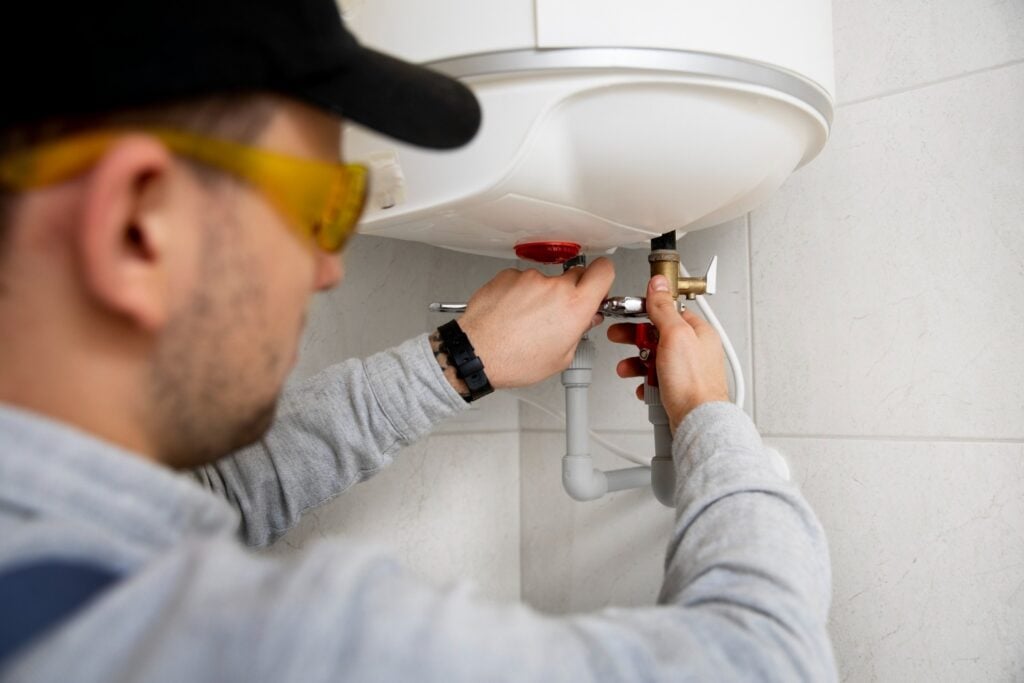
Over time, sediment builds up in the tank, reducing its capacity and lifespan. Most models last about 8 to 12 years, depending on maintenance and water quality.
The most significant advantage of tank models is affordability. They’re cheaper to install upfront, and many homeowners simply replace old units with new ones out of habit.
But in the long run, the hidden costs can add up through higher utility bills and frequent maintenance.
How Tankless Water Heaters Work Differently
A tankless system, often called an on-demand water heater, doesn’t store water. Instead, it heats water only when you turn on a tap. Cold water flows through a heat exchanger powered by gas or electricity, instantly delivering hot water as needed.
That means no waiting for a tank to refill and no energy wasted keeping water hot all day. It’s like having hot water “on tap” 24/7, without the storage tank.
Because of their efficient design, tankless units can last up to 20 years, nearly double the lifespan of traditional models.
For families who use a lot of hot water throughout the day, the benefits can be huge. You’ll never run out mid-shower, even if the dishwasher or washing machine is running at the same time.
Comparing the Two: What Really Matters
Let’s look at a few key categories that make the tank vs. tankless water heater choice clearer.
1. Energy Efficiency
Tank water heaters continually reheat water to maintain temperature, using more energy overall. Tankless models only heat water when you need it, cutting standby heat loss entirely.
According to the U.S. Department of Energy, homeowners can save 24–34% on energy costs with a tankless unit, especially if they use less than 40 gallons of hot water per day.
2. Hot Water Availability
Tank heaters can run out of hot water after long showers or heavy laundry days. Once the tank empties, you’ll wait 30–60 minutes for it to reheat. Tankless systems, on the other hand, provide a continuous supply.
As long as the unit’s capacity matches your home’s needs, you’ll never have to schedule showers around your water heater again.
3. Space and Installation
Tankless water heaters are compact, about the size of a small suitcase, and can be wall-mounted indoors or outdoors. That’s a big plus for smaller homes, condos, or utility closets where space is limited.
Traditional tanks are bulky and require floor space. If you’re remodeling or building new, going tankless gives you more flexibility in layout and design.
4. Cost and Maintenance
Tank systems are less expensive upfront, typically $1,000–$2,000 installed. Tankless systems range from $2,500–$4,500 installed, depending on size and fuel type.
While that’s a higher initial cost, the energy savings and longer lifespan often offset it over time.
Tank units need flushing every year to prevent sediment buildup, and the anode rod must be replaced periodically. Tankless units require maintenance too, mainly descaling, but far less frequently, especially if you have a water softener.
5. Lifespan and Durability
A tank water heater usually lasts about a decade before corrosion or leaks force replacement. A tankless model, when properly maintained, can run efficiently for 20 years or more.
The difference is like comparing a disposable appliance to a long-term investment.
Why More Homeowners Are Choosing Tankless
The appeal of tankless systems goes beyond savings. It’s also about comfort and convenience. With no storage tank to limit capacity, everyone in your household can shower back-to-back without running out of hot water.
And because the system operates only when needed, it stays off most of the time, making it quieter and more environmentally friendly.
Many tankless units also integrate easily with smart home systems, allowing you to monitor performance and adjust temperature remotely.
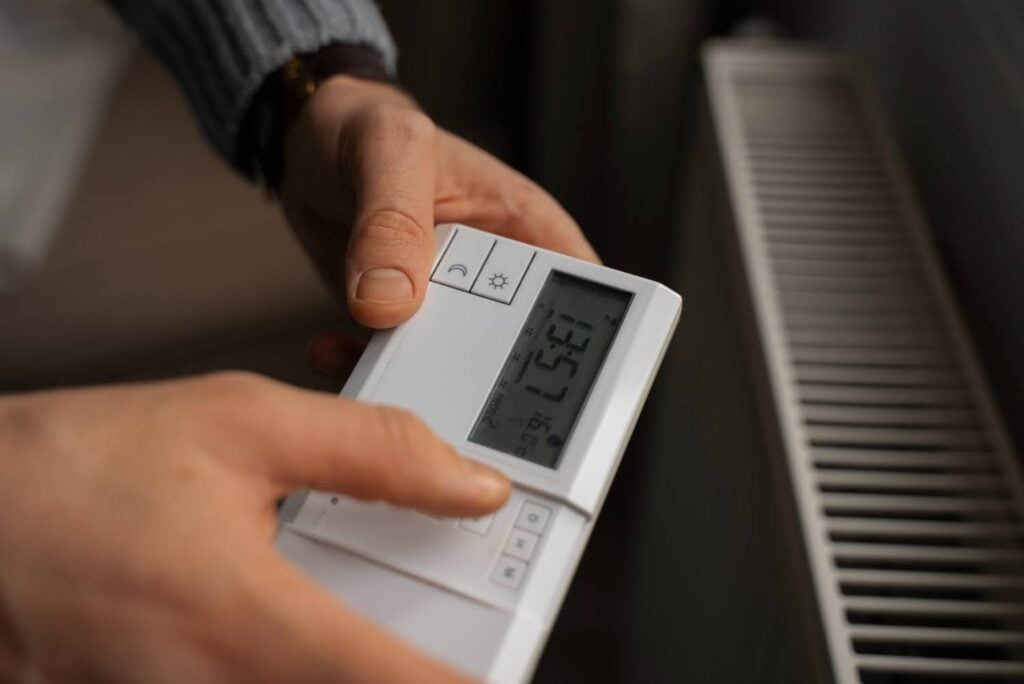
In a city like Las Vegas, where energy efficiency is key and space is valuable, that combination of control and savings is hard to beat.
When a Tank May Still Make Sense
Tank models still work well in some scenarios. If you’re on a tight budget, have low daily hot water usage, or live in an area with lower energy costs, a tank system can be a practical short-term solution.
They’re also easier to install in older homes where upgrading gas lines or electrical systems for tankless units would be costly.
However, it’s essential to view that decision as temporary, because in the long run, the higher energy use and shorter lifespan usually catch up.
Making the Smart Choice for Your Home
Here’s the takeaway: if you plan to stay in your home for several years, investing in a tankless system typically pays off through lower energy bills, less maintenance, and a more comfortable lifestyle.
The initial investment might seem steep, but over time, it offers real financial and practical rewards.
For homeowners ready to modernize, a tankless system delivers peace of mind and endless hot water, two things you can’t put a price on.
Ready to Upgrade? Let Air Pro Master Help
If you’re serious about lowering your energy bills, cutting down on maintenance, and saying goodbye to cold showers forever, a tankless water heater is the clear winner. It’s efficient, compact, and built to last, everything a modern home needs.
The upfront cost is higher, sure, but the long-term payoff speaks for itself: lower monthly utility costs, endless hot water, and a system that can easily outlive a traditional tank. Once you make the switch, you’ll wonder why you didn’t do it sooner.
If you’re ready to explore your options, Air Pro Master can help you transition smoothly.
Our certified HVAC experts specialize in installing and servicing tankless systems across Las Vegas, ensuring you get the perfect fit for your home and water usage.
Call us today!