
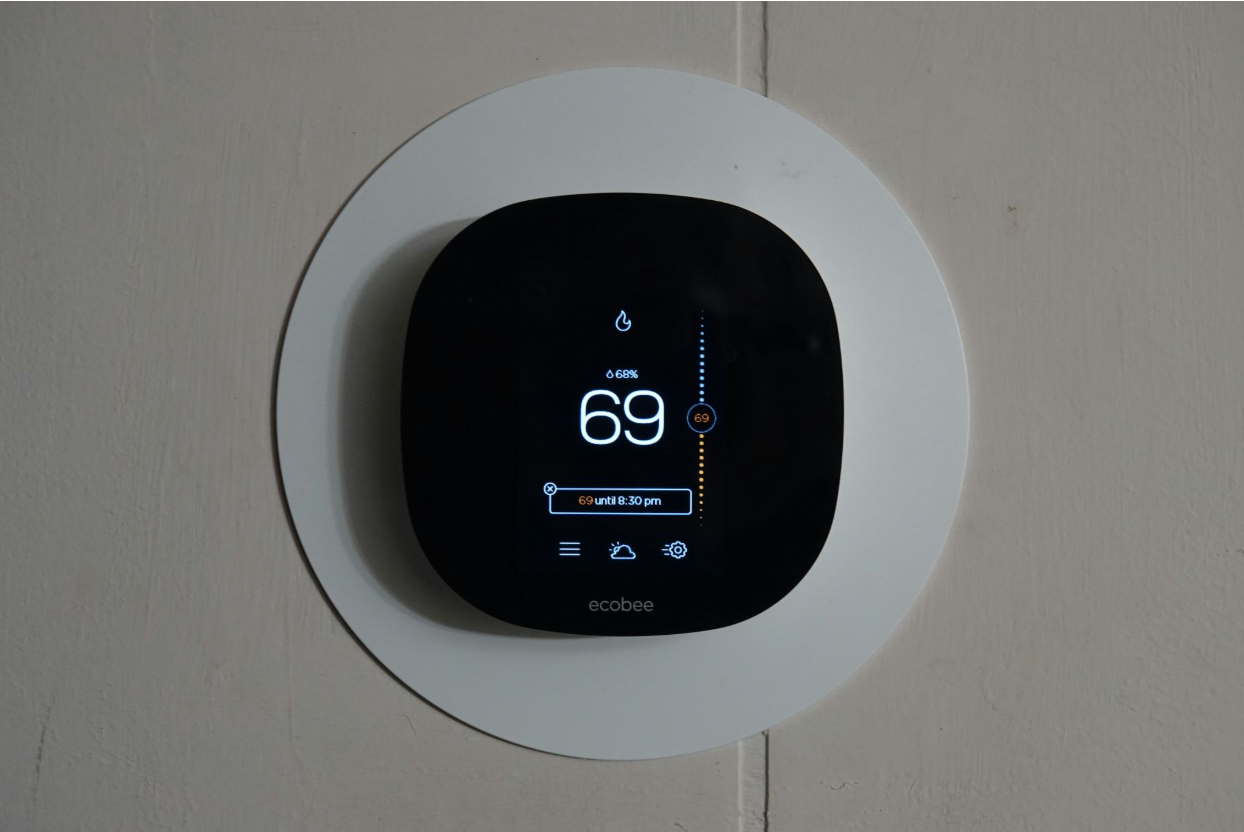
Your air conditioner is on, but something feels off. The thermostat says 76°F, exactly what you set it to. Yet, the air feels heavy or slightly humid. Or maybe it feels dusty, even after you just cleaned.
You see the fan is set to AUTO. Then, it hits you: should it be ON instead? Would keeping the fan running help or make things worse?
The truth is that it’s different depending on what you need to get comfortable and to stay that way.
In Las Vegas, this small thermostat setting can have a big impact on your comfort, energy use, humidity control, and dust circulation.
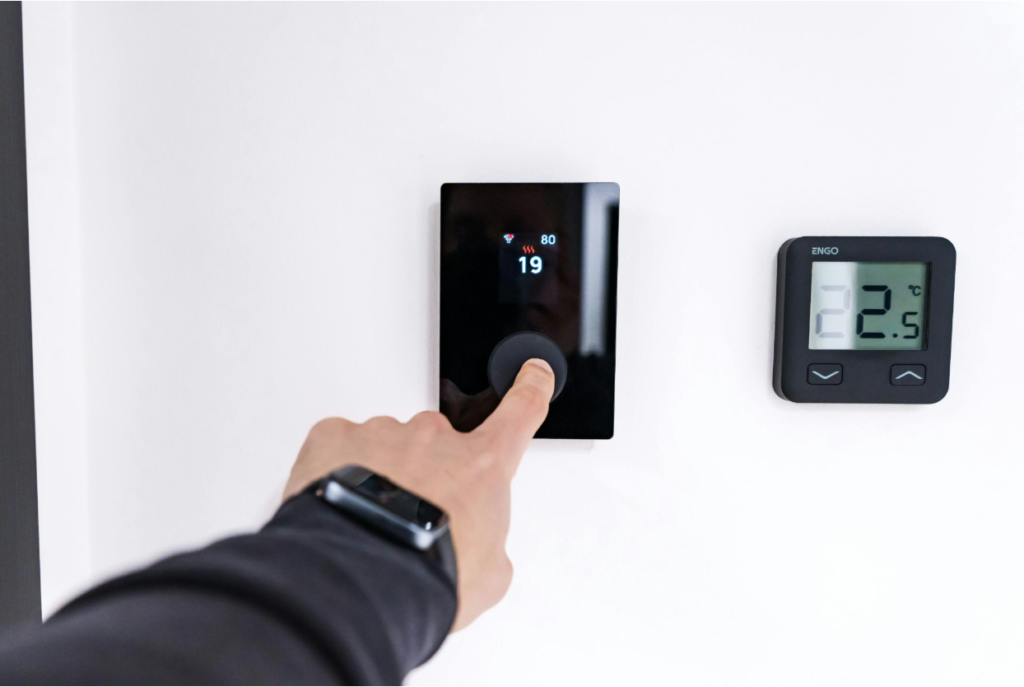
What “AUTO” Really Does
AUTO is the default setting for most residential HVAC systems. It coordinates the fan and cooling cycles.
How AUTO Mode Works
When the indoor temperature rises above the setpoint, the thermostat activates both the compressor and blower motor. As a result, the fan runs only while the system is actively cooling. Once the setpoint is reached, both the compressor and fan shut off together.
A normal cooling cycle should last at least 10 minutes. This allows proper air mixing and allows the evaporator coil to reach the temperatures necessary for dehumidification. Between cycles, the system rests.
Why AUTO Is Designed for Moisture Control
When the AC runs, moisture condenses on the evaporator coil. That water drips into the condensate pan and drains outside once the cooling cycle ends, and the fan stops.
This off-cycle drainage is critical. If the fan continues running, it can re-evaporate moisture from the coil and blow it back into the home. AUTO mode prevents that from happening.
AUTO’s Effect on Energy Use
A standard blower motor draws 300–500 watts continuously. AUTO reduces electrical use by limiting blower runtime to active cooling periods.
In Las Vegas, where systems may run 6–8 months per year, this can save upwards of $30–$50 per month compared to continuous fan operation. It also reduces wear on motors operating in attics that reach 140–160°F during summer.
What “ON” Really Does
When set to ON, the blower motor runs continuously. In fact, it runs even when the compressor is off.
How Continuous Fan Operation Works
The compressor still cycles based on temperature demand, but the fan never stops. Air circulates constantly through the home, even without active cooling.
Benefits of Continuous Airflow
Continuous circulation reduces thermal stratification, especially in multi-story Las Vegas homes. Heat naturally rises, which often makes upstairs rooms 5–10°F warmer than downstairs.
Constant airflow helps balance temperatures across floors. It can also increase filtration cycles if high-quality filters are installed.
Energy Cost Considerations
Running a 500-watt blower continuously can cost $32–$55 per month at typical NV Energy rates. That adds $300–$600 per year compared to AUTO mode.
Continuous operation in hot attic conditions also accelerates blower wear, potentially reducing motor lifespan from as long as 10–12 years to as little as 3–7 years in extreme cases.
AUTO vs. ON for Humidity in Las Vegas
Las Vegas may be a desert, but indoor humidity still affects comfort. During monsoon season (mid-June through September), outdoor humidity rises significantly.
A properly functioning AC system should maintain indoor relative humidity between 30–50%.
Why AUTO Controls Humidity Better
In AUTO mode, moisture collects on the evaporator coil during cooling cycles and drains away when the fan shuts off. This prevents reintroduction of moisture into living spaces.
How ON Can Increase Indoor Humidity
When the fan runs continuously, it blows air across a wet evaporator coil after the compressor stops. That moisture can evaporate back into the air.
This can make homes feel clammy at night when cooling demand drops, but the fan keeps running. High humidity also reduces your body’s ability to cool through evaporation.
AUTO vs. ON for Las Vegas Dust
Desert dust is unavoidable in Southern Nevada. In theory, continuous airflow increases filtration cycles and may capture more airborne particles. This can occur if the home has sealed ductwork and high-MERV filtration.
When ON Makes Dust Worse
If using low-MERV filters, continuous airflow may not effectively capture fine desert dust.
More importantly, leaky ductwork (all too common in Las Vegas) can pull dust, insulation fibers, and superheated attic air into living spaces. With the fan running continuously, the system may actively draw contaminants from 150°F attics.
Filters can also clog faster under continuous operation. This can increase static pressure and put stress upon the blower motor.
When to Use AUTO in Las Vegas
AUTO is recommended for most homes, especially:
- During the monsoon season
- When energy conservation is important
- With standard MERV 8 filtration
- In homes with older PSC blower motors
AUTO protects against humidity reintroduction and can reduce annual operating costs.
When to Use ON in Las Vegas
ON may be appropriate when:
- Two-story homes have a major temperature imbalance
- Ductwork is professionally sealed
- High-MERV (11–16) filters are installed
- The system uses a variable-speed ECM blower
ECM motors draw only 60–120 watts in fan-only mode, making continuous operation more practical.
Smart Thermostat “Circulate” Mode
Most modern thermostats offer a “middle-ground” option.
How Circulate Mode Works
The fan runs intermittently, typically 10–20 minutes per hour, if the system has been idle.
When Circulate Is Best
Circulate mode balances airflow while preserving humidity control. It can reduce floor temperature differences while avoiding the constant re-evaporation of coil moisture.
This setting is often ideal during evenings when the cooling demand drops but the temperature imbalance persists.
System Design Factors That Determine the Right Solution for You
Fan setting effectiveness depends heavily on system design.
Oversized Systems
Oversized AC units have a short cycle, meaning they satisfy the thermostat too quickly. Short cycles do not effectively remove moisture.
Using ON mode with oversized systems can worsen humidity problems.
Variable-Speed Blowers
ECM motors consume significantly less energy than older PSC motors. This makes continuous or intermittent fan operation more efficient.
Duct Leakage
If ducts leak 20–30% of conditioned air, common in Las Vegas, the ON mode may pull attic contaminants into living spaces.
Duct sealing often improves comfort more than just changing thermostat settings.
Common Mistakes Las Vegas Homeowners Make
- Leaving the fan ON year-round
- Failing to adjust settings seasonally
- Not replacing filters monthly during the summer
- Ignoring duct leakage issues
Find the Right Setting for Your Las Vegas Home
There is no one-size-fits-all answer. That said, for most Las Vegas homes, AUTO is the safest and most energy-efficient choice. This is especially true during the monsoon season.
Circulate mode offers a balanced alternative. ON should only be used when system design and filtration support it.
If your home still feels humid or dusty despite proper settings, AirProMaster can evaluate your system and conduct necessary AC repairs or tune-ups.
Our technicians measure static pressure, humidity levels, blower motor type, and airflow balance to determine the ideal configuration for your needs.
Call anytime or book online at airpromaster.com. We have a proven track record of helping Las Vegas homeowners stay comfortable while controlling energy costs and indoor air quality.