
You wake up sweating. You look at your phone. It’s 12:47 AM. The thermostat reads 89°F, and it’s climbing. Outside, it’s still over 100°F, which is completely normal for a Las Vegas summer night. You check on your air conditioner. It’s silent. Or, even worse, it may be running but blowing warm air. When you went to bed, of course, the air conditioner was working fine.
The panic sets in quickly. Do you immediately call an emergency HVAC service and accept after-hours pricing? Or, are there steps you can safely take, right now, to keep from having to call the pros?
In Las Vegas, midnight AC failures are common. Before agreeing to a late-night service call that could cost hundreds or worse, there are five critical checks every homeowner should perform. These steps often resolve simple issues.
Even when they don’t resolve your issues, they can provide professional technicians with clear information that speeds up your diagnosis. The faster they find the problems, the faster they can fix them.
Try these steps first. If they don’t work, reach out to the experts.
Why Las Vegas Has So Many Midnight AC Failures
Late-night AC breakdowns often follow predictable patterns in the desert climate. Heat load, electrical stress, and component fatigue are all serious problems that can all occur in the evening.
Extreme Daytime Heat Carryover
Las Vegas attics routinely exceed 130–150°F during summer. That stored heat does not disappear when the sun sets. The thermal mass of roofing materials, framing, and insulation continues radiating heat into living spaces well into the night.
Because of this, air conditioning systems often run for 12 to 16 consecutive hours during peak season. The most intense system stress occurs between 5:00 PM and 10:00 PM. That’s when outdoor temperatures remain high and indoor cooling demand peaks.
Components that weaken during that prolonged load frequently fail hours later. They often do so when the compressor attempts to restart after a short rest cycle near midnight.
Power Grid Stress and Voltage Fluctuations
Many midnight failures are delayed results of electrical instability earlier in the evening.
NV Energy’s summer peak demand regularly exceeds 7,000 megawatts. Evening grid transitions, particularly when solar generation drops between 7:00 PM and 9:00 PM, can lead to voltage fluctuations.
Short brownouts or minor electrical transients may not shut the system down immediately. However, they can weaken capacitors, stress contactors, or cause sensitive control boards to fault hours later.
Capacitor Failure from Thermal Cycling
Motor run capacitors are among the most common failure points in AC units that run in desert climates. These components provide the electrical boost required to start the compressor and condenser fan motors.
Capacitors operate near their temperature limits in extreme heat. Internal materials expand throughout the day and contract as temperatures drop overnight. This thermal cycling degrades seals and internal electrolyte material.
When the compressor attempts a restart cycle around midnight, weakened capacitors often fail completely.
Step 1: Check the Thermostat First
Confirm the System Is Set to COOL
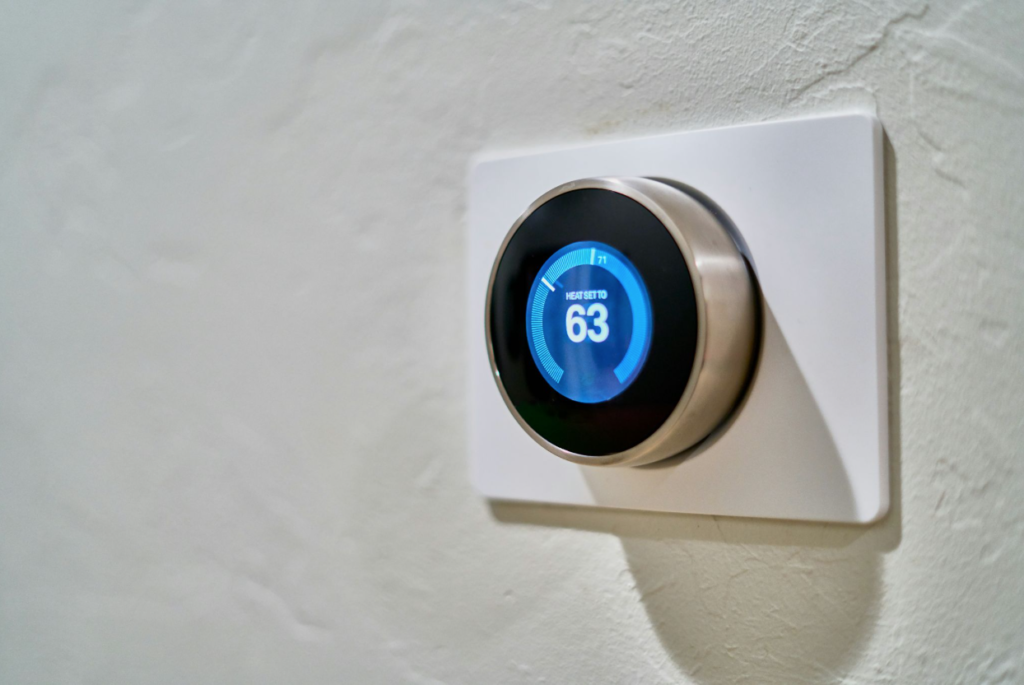
Verify that the thermostat is set to COOL mode and not FAN or OFF. During power interruptions, some “smart” thermostats revert to default modes.
Fan-only mode circulates air without activating the outdoor condenser. This creates airflow but no cooling, making it feel like a mechanical failure.
Replace Thermostat Batteries
Battery-powered thermostats may power the display even when the voltage is too low to send the signal that activates the condenser contactor.
Replace batteries with fresh alkaline units. Do so even if the display appears functional.
Perform a Soft Reset
Turn the thermostat completely OFF for five minutes. Then restart and set to COOL.
For smart thermostats such as Nest or Honeywell, use the restart function. This clears temporary communication glitches.
If the system resumes normal cooling without breaker trips or error codes, the issue was likely a control communication problem.
Step 2: Inspect the Circuit Breaker Panel
If the thermostat is functioning but the system remains off, the next step is electrical verification.
Check Both Breakers
Most systems have two breakers:
- Indoor air handler (typically 15–20 amps)
- Outdoor condenser (typically 30–50 amp double-pole)
Both must be ON for full system operation.
Reset a Tripped Breaker Properly
A tripped breaker often rests in the middle position. Push it firmly to OFF first, then fully back to ON.
This full reset cycle is necessary for re-engagement.
Inspect the Outdoor Disconnect
Near the condenser unit is a service disconnect box. In older Las Vegas homes, this may contain cartridge fuses.
A blown fuse leaves the outdoor unit silent, even if the breaker appears on. Visual signs include discoloration or a melted filament.
If the breaker trips immediately upon reset, stop. This indicates a short circuit or grounded compressor and requires professional service.
Step 3: Examine the Outdoor Condenser Unit
Is the Fan Spinning?
If you hear humming but the fan does not spin, the run capacitor may have failed.
The capacitor provides startup torque. Without it, the motor cannot overcome inertia.
A temporary test (performed carefully) involves gently nudging the fan blade with a non-conductive stick. If it starts spinning and continues running, the capacitor is likely defective.
Is the Unit Completely Silent?
If there is no sound while the thermostat calls for cooling, the contactor may not be engaging.
The contactor is an electromechanical switch that allows high-voltage power to reach the compressor and fan.
Repeated desert heat cycles cause contact surfaces to pit and degrade. In time, this can lead to system failure.
Look for Ice or Water Pooling
Ice on refrigerant lines or around the condenser often indicates a frozen evaporator coil inside. This condition is typically airflow-related.
Step 4: Inspect Airflow and the Air Filter
Airflow problems are one of the most common causes of AC shutdowns in Las Vegas.
Dirty Air Filter
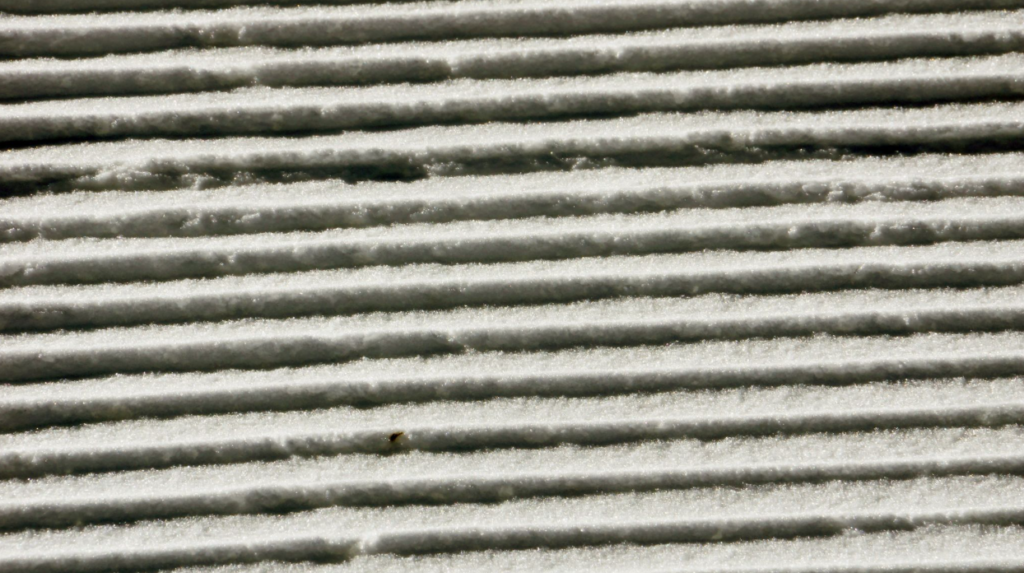
Desert dust loads filter rapidly. During peak summer, filters should be replaced monthly.
Restricted airflow reduces the amount of warm air passing over the evaporator coil. When airflow drops, refrigerant temperature can fall below freezing, causing condensation to freeze on the coil.
Blocked Return Vents
Closed interior doors or blocked return grilles reduce system airflow and create pressure imbalances.
Ensure all return vents are unobstructed. Make certain that interior doors allow adequate air circulation.
The Frozen Coil Protocol
If ice is present:
- Turn the system OFF completely.
- Set the fan to ON (not AUTO).
- Allow 4 to 24 hours for complete thawing.
- Replace the air filter before restarting.
If freezing recurs, refrigerant leaks or deeper airflow restrictions likely require professional repair.
Step 5: Check the Condensate Drain Safety Switch
Modern AC systems include safety switches to prevent water overflow.
Air conditioners remove humidity and produce several gallons of condensate daily.
This water drains through a PVC line. If algae, dust, or debris clog the line, water backs up into the drain pan.
A float switch detects rising water and shuts down the system to prevent overflow damage.
Signs of a Clogged Drain Line
- Water pooling near the air handler.
- Fan running, but compressor not engaging.
- System shutting off unexpectedly.
Temporary Clearing Procedure
Locate the exterior drain outlet near the condenser.
- Use a wet/dry vacuum to suction debris.
- Seal gaps around the hose to maximize suction.
- Dry the float switch housing manually if accessible.
If shutdown occurs repeatedly after this, professional cleaning is needed.
When to Call a Las Vegas Emergency AC Professional
There are some signs that indicate serious mechanical or electrical failure. If you notice these, then it’s time to call the pros immediately.
For example, burning electrical smells suggest motor winding or wiring damage. Immediate breaker trips signal short circuits.
Grinding or metal-on-metal noises may indicate compressor or fan motor bearing failure.
If all five steps fail to restore cooling, it’s likely that you have serious refrigerant leaks or internal mechanical issues. Those will likely require specialized tools and certification.
What to Expect From Emergency AC Service
Midnight and weekend service typically includes higher diagnostic fees.
Common midnight repairs include:
- Capacitor replacement
- Contactor replacement
- Condensate line clearing
Most of these repairs are completed within an hour when parts are available.
Preventing the Next Midnight Breakdown
Annual spring tune-ups can identify weak capacitors before peak season.
Remember: capacitors in desert climates lose measurable capacity annually. Testing catches degradation early. Additionally, monthly filter replacement prevents airflow restrictions and frozen coils.
Call AirProMaster for Nighttime AC Failures in Las Vegas
If your AC fails at midnight and these steps do not restore cooling, contact AirProMaster. Our licensed HVAC technicians understand the extreme operating conditions of Las Vegas systems and respond quickly with transparent emergency pricing.
Call anytime or book online at your convenience. AirProMaster restores cooling fast, even in the middle of a Las Vegas summer night.