
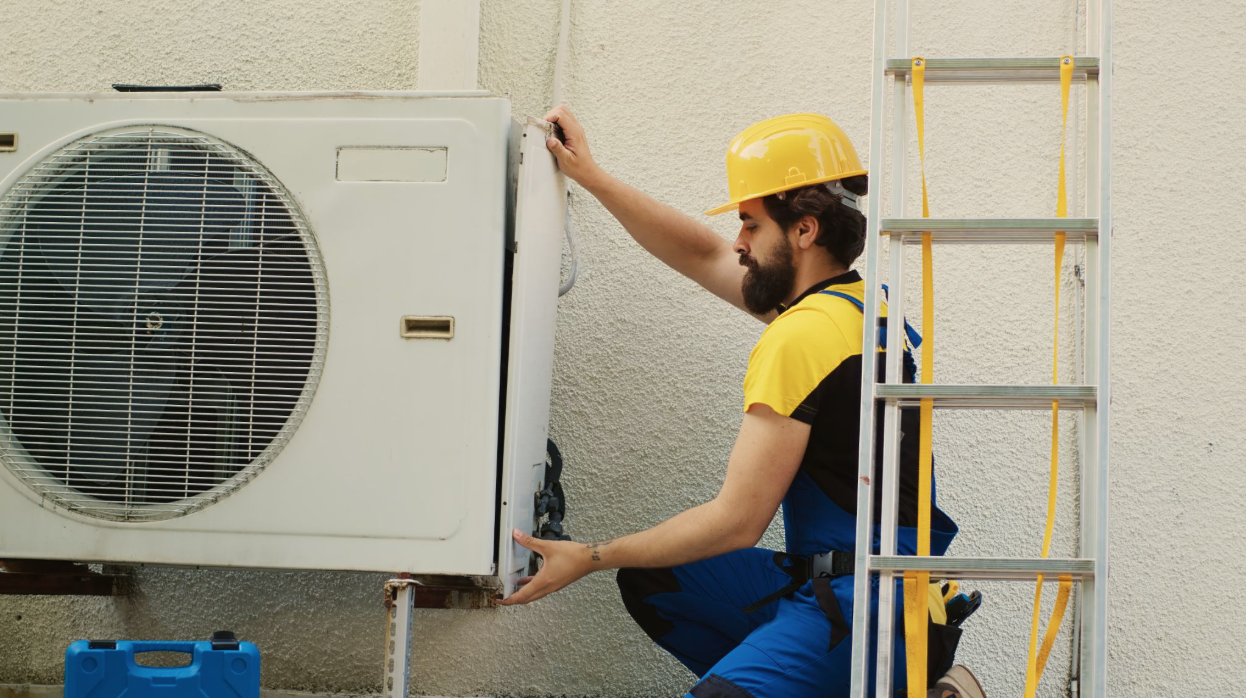
Most homeowners don’t think about their air conditioner until it stops working. Most think of their air conditioner just sitting outside, doing its job, and life goes on, until one August afternoon, when the house won’t cool down and the first available HVAC tech is three days out. That’s usually when people wish they had scheduled a tune-up back in April.
If you’ve been thinking about where to schedule a tune-up for your residential air conditioning system, you’re already ahead of the game. There are several solid ways to get it done. Each one comes with its own trade-offs. This guide breaks it all down so you can make the smartest call for your property.
Why Skipping Your AC Tune-Up Is a Risky Gamble
Air conditioners don’t fail randomly. Most breakdowns trace back to months of small, ignored problems. It could be a capacitor running weak, coils coated in a thin film of grime, or a condensate drain that’s half-clogged but still draining. For now.
Annual maintenance is how you catch those things before they turn into a $400 emergency call on the hottest Friday of the summer. The U.S. Department of Energy estimates that a neglected system can shed 5% or more of its efficiency every year. Over a few seasons, that hits your electric bill in a way that adds up to real money.
Longevity matters too. A central air system that gets serviced regularly can last for 15 to 20 years. One that’s never touched tends to fall well short of that. And if your unit is still under warranty, check your paperwork. Many manufacturers require documented annual service as a condition of coverage.
A tune-up typically costs $80 to $200. The repairs it prevents often cost 5 to 10 times that much. When you look at it that way, skipping maintenance to save a hundred dollars isn’t actually saving you anything.
Where to Book Your Residential AC Tune-Up
Local HVAC Companies
Calling a licensed local HVAC contractor is usually the most direct and reliable option. Local companies understand the regional climate, common equipment brands in the area, and the specific wear patterns that come with local conditions. Most offer online scheduling or a simple phone call to get something set up.
What to look for: proper state licensing, liability insurance, and reviews you can actually verify. Read what customers say. You especially want to look into how technicians handle situations where a repair is recommended. Good companies give straight assessments. Less reputable ones find something wrong on every visit.
Air Pro Master connects homeowners with trusted local HVAC professionals who specialize in residential cooling. They can tell you whether you need a one-time tune-up, a full system inspection, or a recurring maintenance plan with built-in scheduling.
Manufacturer-Authorized Dealers
If your system is still under the original warranty, going through an authorized dealer is a smart move. Brands like Carrier, Trane, Lennox, Rheem, and York maintain networks of factory-certified technicians trained specifically on their product lines with access to OEM parts. You can locate authorized dealers through the brand’s website using a zip code search, and service records from these visits can come in very handy if you ever need to make a warranty claim.
Online Home Service Platforms
Angi and HomeAdvisor let you compare local HVAC contractors, read verified reviews, and request quotes without picking up the phone. These platforms are particularly helpful if you’re new to an area or have never worked with a local HVAC company before. Always cross-check with Google Reviews before committing. Some companies look great on one platform while having a different pattern elsewhere.
Home Warranty Plans
If you carry a home warranty through a provider like American Home Shield, check your policy’s HVAC section before scheduling anything. Some plans include seasonal tune-ups in standard coverage, others offer it as a paid add-on, and others only cover repairs. When maintenance is included, you request service through the warranty portal, and they dispatch a technician from their network. Quality can vary, so if timing matters, plan ahead.
Your Electric Utility Company
Many homeowners don’t know their utility company offers rebate programs or subsidized maintenance visits tied to energy-efficiency goals. Some utilities partner directly with vetted local contractors and offer reduced-rate tune-up services. A quick look at your provider’s website or a short phone call can reveal savings you didn’t know were available.
What to Look for in a Service Provider
Once you’ve found where to look, you still need to evaluate who’s showing up.
NATE certification is the best credential in residential HVAC. A NATE-certified tech has passed rigorous exams demonstrating real working knowledge and doesn’t just have years logged on the job.
State licensing is non-negotiable. HVAC work involves refrigerants and electrical components, and most states require a licensed contractor to perform it legally. Ask for the license number and verify it if you have any doubts.
Transparent pricing is what separates honest companies from those using the tune-up as a door-opener for unnecessary upsells. A trustworthy contractor tells you what’s included and what it costs before they start, with no pressure tactics afterward.
Annual service agreements, typically $150 to $300 per year for two visits, are worth considering if you want maintenance handled automatically without having to schedule twice a year.
What a Tune-Up Actually Covers
A proper service visit goes well beyond a filter check. The technician will inspect and replace your air filter, calibrate the thermostat, and check refrigerant levels while looking for signs of leaks. Both the evaporator coil inside the air handler and the outdoor condenser coil get cleaned. After all, dirty coils are one of the biggest efficiency killers in residential systems.
The condensate drain line is flushed to prevent water backup and potential mold growth caused by a clog. Electrical components, like capacitors, contactors, and wiring connections, are inspected for wear. The blower motor gets checked for proper amp draw, and fan blades are examined for balance and condition.
A thorough technician records supply and return air temperatures at the end of the visit to confirm the system is cooling to spec. That’s your baseline for future visits and useful documentation to have.
What It Could Cost
Standard tune-ups run $80 to $200 for most residential systems. Older units or systems that require additional attention can push the cost to $250 to $400. Annual service plans covering two visits per year typically range from $150 to $600, depending on the contractor and what’s included. Always get a clear breakdown of what’s covered before agreeing to anything.
When to Schedule
Spring provides the right window. That means March through early May, before the cooling season picks up. Booking early means you get the appointment you want instead of competing with everyone else’s emergency calls. Pre-season visits often come with promotional pricing, too, since HVAC companies are actively looking to fill their schedules before peak demand hits.
Heat pump owners should also plan for a fall visit in October or November to prepare for the heating season. If you’ve gone several seasons without any service, there’s no wrong time to start. A technician will tell you exactly what shape the system is in, and you’ll have a clear picture of what you’re working with going forward.
Frequently Asked Questions
How often should I schedule a tune-up for my AC system?
Once a year is the standard recommendation for central air systems, best timed in spring. Heat pump owners should plan twice a year. So, look at spring for cooling and fall for heating.
Can I do an AC tune-up myself, or do I need a professional?
Homeowners can handle the basics: swapping filters on schedule and keeping the outdoor unit clear of debris. The technical work, like refrigerant checks, electrical inspections, coil cleaning, and condensate drain flushing, requires a licensed technician with the right equipment.
How long does a residential tune-up take?
Most service calls run one to two hours. Systems that haven’t been serviced in a while or have minor issues to address can take longer.
Does skipping maintenance affect my warranty?
Often yes. Many HVAC manufacturers require documented annual maintenance as a condition of warranty coverage. Without service records, a warranty claim can be denied. Keep paperwork from every visit, even if it’s just a photo of the service report.
Don’t Wait Until Something Breaks
The best time to schedule a tune-up is before you need one. Spring books fast, summer service schedules fill up quickly with breakdown calls, and ignoring a small problem rarely makes it cheaper.
Whether you book through a local HVAC contractor, a manufacturer-authorized dealer, an online service platform, or your home warranty provider, the most important step is just getting it done. A well-maintained air conditioner runs more efficiently, lasts longer, and gives you one less thing to worry about.