
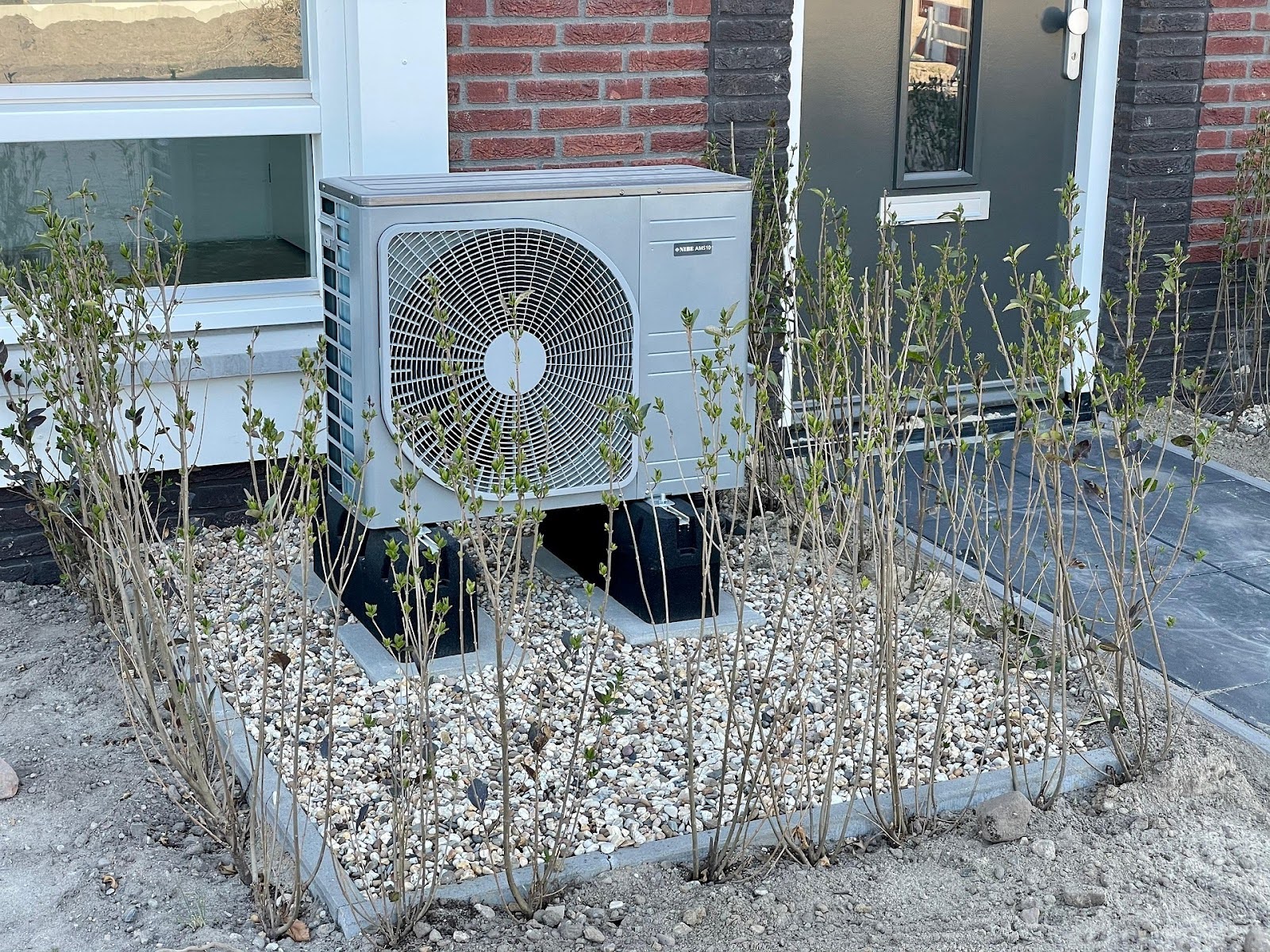
In Summerlin’s carefully planned communities, such as The Ridges, Red Rock Country Club, and Sun City Summerlin, the noise from outdoor air conditioning units quickly becomes more than a mere annoyance. It can cause social problems, quiet complaints from neighbors, or even formal HOA violations with warning letters and possible fines.
Because Summerlin homes often have narrow side yards and stucco exteriors that reflect sound, the noise from air conditioners can be heard clearly in neighbors’ yards and bedroom windows. For HOAs sensitive to noise and with strict rules about what can be outside, mechanical noise isn’t just annoying; it’s also a compliance risk.
In desert areas where equipment runs 10 to 16 hours a day under heavy stress, loud air conditioning systems are common. However, they are not necessary. There are solutions designed specifically for HOA compliance and quiet operation.
What It’s Like When AC Units Are Too Noisy
When you turn on your air conditioning, you can hear the outdoor unit start up very loudly. The compressor’s hum can be heard in your side yard. The startup noise bounces off the stucco walls. It’s not just in your house. Your neighbors can hear it too.
That’s exactly the kind of thing that violates HOA rules. Additionally, it’s exactly what professionals can keep from occurring.
Why AC Units Make More Noise in Summerlin
Summerlin AC systems run for 10 to 16 hours a day, and sometimes even longer during heat waves, when temperatures are usually 110°F or higher. When it’s hot outside, compressors have to work harder and vibrate more than when it’s mild. One reason is that the head pressure in the compressors increases.
Because of this longer runtime, compressors run at their highest stress levels for months at a time. When equipment is used heavily for a long time, it wears out faster than if used more moderately. As equipment ages, it gets louder and louder.
Older single-stage systems switch between full-blast operation and complete shutdown very quickly. This on-off cycling makes a distinct startup noise—the loud clunk or surge when the compressor starts—that occurs dozens of times a day.
Hard surfaces make sound louder
Summerlin often uses stucco walls and concrete patios, creating hard, non-porous surfaces that bounce sound waves rather than absorbing them. These reflective materials don’t absorb sound like wood siding or plants do. Instead, they bounce AC noise toward nearby properties.
In Summerlin communities, properties with courtyards are common. Sound waves bounce back and forth between walls that face each other, making a sound. In these enclosed outdoor spaces, noise that is okay in open lots gets much louder.
Concrete patios and decorative block walls that are close to condenser units bounce sound directly into living spaces, both yours and your neighbors’. This makes mechanical noise much more annoying than it would be in other places with the same equipment.
Wear and tear on parts over time and in the desert
When in extreme heat for a long time, fan motor bearings wear out faster. As bearings wear down, they make more and more noise when in use, such as grinding or whining. As units heat up during use and cool down when they’re off, the panels shake as they expand and contract.
When dirt, cottonwood seeds, and leaves accumulate on fan blades, they cause vibrations that produce thumping sounds during operation. When vibration isolation pads wear out in the desert heat, mechanical vibrations are transmitted directly into concrete slabs or home foundations. This can cause low-frequency hums felt inside homes.
Noise Rules for Summerlin Neighborhoods
Typical HOA noise limits
Many Summerlin homeowner associations (HOAs) and local laws prohibit mechanical equipment noise from exceeding 55–65 decibels (dBA) at property lines. For comparison, normal conversation is about 60 dBA, and a vacuum cleaner makes about 70 dBA.
Standards are often stricter at night, and they often drop to 50 dBA between 10:00 PM and 7:00 AM to protect people who are sleeping. This lower threshold means that equipment that works fine during the day might not meet standards at night, when noise levels drop.
Enforcement and penalties
Field inspections usually happen after complaints are made. If units are found to be breaking noise rules, homeowners may get official “Notice and Order” tickets. These can come with daily fines of $100 to $500 until the problems are fixed.
As you might imagine, these fines add up quickly, so fixing noise problems is both a community relations issue and a financial necessity.
Placement rules
In addition to noise limits, HOAs often don’t allow moving condenser units to less visible or quieter locations. Screening walls, limits on changing exterior mechanical equipment, and limits on where units can be placed make it harder to reduce noise, which needs HOA coordination and approval.
How to Tell If Your AC Is Too Loud
There are several signs that your system is making too much noise and may be bothering your neighbors.
If you hear a humming or buzzing sound inside with the windows closed, it could be due to excessive mechanical noise. When you start the machine, if you hear a loud clunk as the compressors turn on, it means there are problems with the mounting or internal parts.
If your neighbors say anything about the noise at night, even if it’s just a little bit or polite, it means they can hear your equipment in their homes during quiet hours. If you can feel vibrations through walls or patio slabs, it means noise is moving through the structure due to broken mounting systems.
If your unit is much louder than the others nearby, it’s likely that the parts are worn out or that there are mechanical problems worse than normal.
Quiet Ways to Cool Down That Work in Summerlin
Systems with variable-speed compressors
Single-stage units only work at full capacity or not at all. Variable-speed systems, on the other hand, adjust their output from 25 to 100 percent of capacity based on cooling demand. They usually run at lower speeds, with longer, gentler cycles that keep the temperature steady without the loud on-off cycling that makes startup noise.
The Lennox SL28XCV and other modern variable-speed systems can run as quietly as 52 dB at partial load. This is quieter than normal conversation and much quieter than the 75–80 dB that older single-stage units reach when full. This is a drop of more than 20 dB, which people hear as about 75 percent quieter.
Variable-speed systems eliminate the loud startup surge by gradually increasing motor speed rather than starting at full power right away. This soft-start feature gets rid of the loud “clunk” that echoes through Summerlin courtyards every time the cooling cycle starts.
Variable-speed technology not only reduces noise but also controls humidity and keeps the temperature more stable, so you stay comfortable with less temperature fluctuation than with single-stage systems.
Sound blankets and other upgrades
High-quality sound blankets can wrap around compressors and soak up noise from machines in the air. These insulated boxes usually lower noise levels by 10 to 12.5 dBA, which is enough to bring borderline-compliant units well within HOA limits or make systems that are too loud bearable.
Sound blankets are an inexpensive way to improve equipment that is in the middle of its life and doesn’t need to be replaced yet. When installed correctly, they don’t shorten the compressor’s life or void the manufacturer’s warranty, so they are good noise-reduction solutions for systems that still have some service life left.
Vibration isolation pads and changes to the mounting
If you replace worn rubber mounting pads with high-density elastomeric or cork sandwich pads, you can stop mechanical vibration from entering the ground and the foundation. This eliminates the low-frequency hum that can pass through slabs into living spaces. This is a big problem with Summerlin’s slab-on-grade construction.
Leveling corrections ensure that units stay in place on pads rather than rocking or vibrating against mounts during use. Even a little bit of instability in the mounting causes rattling and vibration noise, which leveling fixes.
These upgrades reduce the vibrations that amplify mechanical noise through floors and walls in homes.
Upgrades for smart fan motors
Electronically Commutated Motors (ECMs) start up slowly and are much quieter than regular Permanent Split Capacitor (PSC) motors. Unlike older motor technology, which would suddenly switch speeds, ECM motors smoothly change speed. This makes airflow smoother and eliminates the mechanical clicking and surging that older motors are known for.
The right-sized unit stops cycling noise
Systems that are too big often cool spaces quickly and then shut down. Doing this makes loud startup cycles happen all day long. Using Manual J protocols to ensure accurate load calculations ensures systems run the correct cycle lengths. This reduces the number of noisy startups and makes systems more efficient and comfortable.
Systems that are the right size run longer, gentler cycles that keep the temperature stable without the loud cycling that causes noise complaints.
When Replacement Is the Best Long-Term Solution
There are several reasons why replacing old equipment may make more sense than upgrading it.
Units that are more than 10 to 12 years old are getting close to the end of their normal service life in the desert. Single-stage compressors with SEER ratings below modern standards are always louder than current technology, regardless of maintenance or upgrades.
When loud operations, rising energy bills, and more frequent repairs occur simultaneously, replacing old equipment with high-efficiency, quiet systems is the best option. This is because incremental upgrades to failing equipment can’t deliver the same level of noise reduction, let alone energy savings and reliability improvements.
Modern variable-speed systems can be both quieter and more efficient at the same time. This solves both HOA compliance issues and operational costs with a single investment.
How We Check for AC Noise in Summerlin Homes
Step 1: Measure the decibels at the property line
Calibrated sound-level meters measure noise levels at various points along the property line to ensure the operation meets HOA standards. These measurements record the baseline noise and check whether the upgrades lower the noise levels.
Step 2: Analyzing vibrations
Our pro technicians check slab resonance and inspect mounting stability, identifying whether structure-borne vibration contributes to noise complaints. Testing can show whether vibration-isolation upgrades fix problems or if you need to replace mechanical parts.
Step 3: Check the health of the compressor
Startup amperage draw, bearing noise assessment, and fan blade balance testing indicate whether worn internal parts generate excessive noise during operation. A high startup current can indicate if struggling compressors generate more noise and consume more energy than properly functioning units.
Step 4: Examine the ducts and air handler
People sometimes think that problems outside are actually problems inside. Checking the ductwork and air handlers ensures the noise is coming from where the homeowners think it is, not from other parts of the house that haven’t been fixed.
Prices for Quiet AC Upgrades in Summerlin
Replacing the vibration isolation pad costs $150 to $300 and stops the foundation from humming and transferring vibrations through the slabs.
Installed compressor sound blankets cost between $150 and $450 and reduce mechanical noise in the air by about 12 dB.
Replacing a variable-speed system costs between $8,000 and $15,000 or more to install. It makes the system run much quieter—often 20 dB quieter than old single-stage units—while also being more efficient and comfortable.
A diagnostic noise audit costs $79–150 and measures noise levels in dB. A report at property lines showing compliance status and naming specific noise sources that need to be fixed.
Long-term benefits of quiet systems include avoiding HOA fines, better relationships with neighbors, higher property values, lower energy costs, greater comfort, and less noise. As you can see, it’s worth it.
Preventing HOA Complaints Before They Happen
Annual inspections, particularly when done before summer, can find worn-out motors, damaged mounting pads, and other mechanical problems before they cause noise complaints. Finding problems early lets you deal with them before they happen, rather than after. That often leads to formal violations.
Fan balancing removes the debris that causes the vibration imbalance. Cleaning coils lowers the noise from systems that have to work harder to move air through coils that are too small.
Upgrading your home before you get a formal warning keeps your neighbors happy, yes, but it also saves you the stress and money of dealing with complaints under HOA deadline pressure.
Set up a Quiet Cooling Evaluation for today
If your Summerlin AC is too noisy for your comfort, causing complaints from your neighbors, or exceeds the HOA’s noise limits, there are ways to fix the problem without buying new equipment. You can also get quiet, efficient replacements when upgrades don’t make sense financially.
For professional noise testing and HOA-approved quiet cooling solutions, call us today or schedule an online consultation. Our Summerlin experts know the rules of the local HOA, the architectural problems that come with master-planned communities, and how sound travels in courtyard lots and reflective stucco buildings.
We can conduct inspections on the same day, test noise levels, and provide recommendations for a quiet system that fits your needs and budget. We serve Summerlin and the surrounding Las Vegas area and are experts in low-noise HVAC solutions for HOAs and more.