
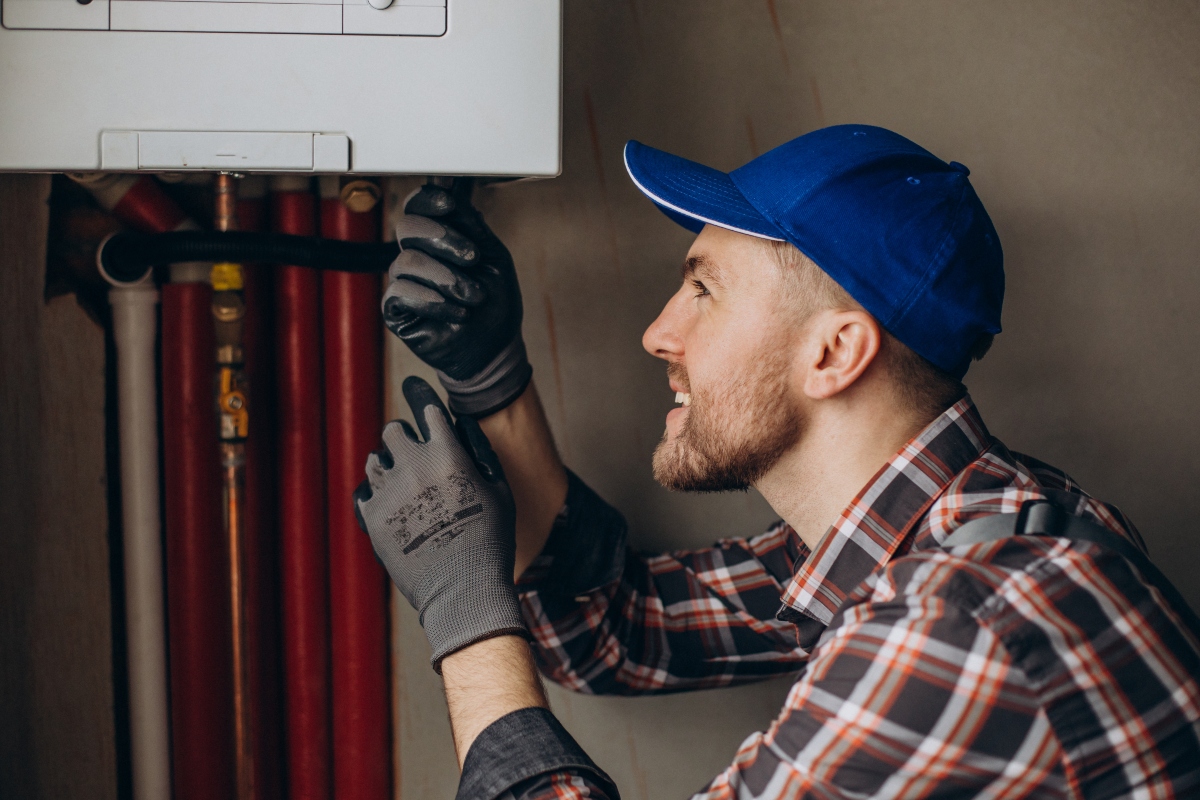
There’s nothing quite like that first chilly night of the season when you finally flip on the furnace, only to realize it’s not blowing warm air.
A broken heater in the middle of a cold Las Vegas night is more than just inconvenient; it can turn your home into an icebox fast.
The truth is, most heating issues don’t appear out of nowhere. They build up slowly over time from neglect, dirty filters, or simple wear and tear. The good news? Once you understand the common furnace problems, you can often prevent them before they turn into costly breakdowns.
Let’s go over what typically goes wrong, why it happens, and how to keep your system running smoothly all winter long.
1. Dirty or Clogged Air Filters
This is by far the number one culprit, and also the easiest to fix. When air filters become packed with dust, pet hair, and debris, airflow is restricted. The furnace has to work harder to push warm air through the ducts, straining the blower motor and reducing efficiency.
Over time, this can cause overheating and even system shutdowns. You might notice uneven heating or weak airflow coming from the vents.
Prevention tip: Check and replace your air filter every 1–3 months, especially during peak heating season. If you have pets or allergies, changing it monthly is even better. A clean filter means cleaner air, better airflow, and less stress on your furnace.
2. Faulty Thermostat
Sometimes the problem isn’t the furnace at all; it’s the thermostat. A malfunctioning or miscalibrated thermostat can cause your furnace to cycle too often, not heat enough, or not turn on at all.
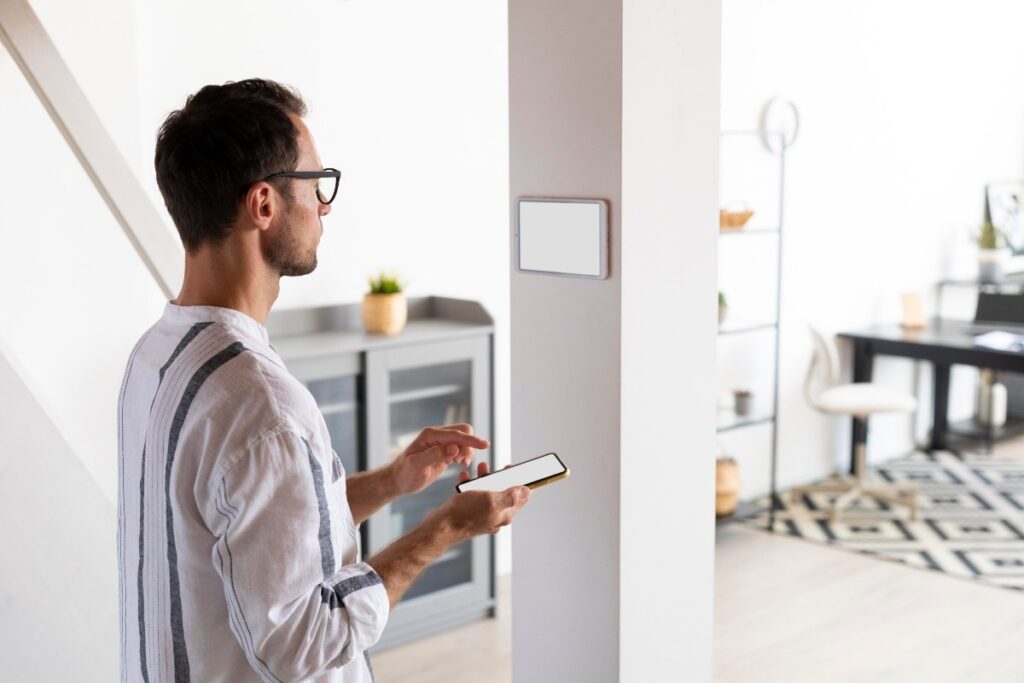
If you notice inconsistent temperatures between rooms, that’s usually a sign that something’s off with your thermostat settings or sensors.
Prevention tip: Test your thermostat before the cold season hits. Make sure it’s set to “heat” and that the batteries are fresh. Consider upgrading to a smart thermostat. This will help you lower your energy bills, keep temperatures consistent, and reduce unnecessary strain on the furnace.
3. Ignition or Pilot Light Issues
If your furnace won’t start or the burners won’t stay lit, the ignition system might be to blame. Modern furnaces use electronic ignitions, while older ones rely on a standing pilot light. Either way, dirt buildup, faulty sensors, or gas supply issues can cause the flame to go out.
Prevention tip: Have your furnace inspected annually by a licensed HVAC technician. They’ll clean the burner assembly, check the gas pressure, and make sure the ignition system is firing correctly. Don’t try to relight a pilot light if you smell gas; call a professional immediately.
4. Worn-Out Blower Motor
The blower motor is the heart of your furnace’s air circulation. When it starts to wear out, you might hear squealing or grinding noises, or notice weak airflow even though the furnace seems to be running.
Ignoring these signs can lead to total motor failure and necessary furnace repair.
Prevention tip: Annual maintenance goes a long way here. A technician can lubricate moving parts, tighten belts, and test the motor’s amperage to catch problems early. Keeping the air filter clean also reduces strain on the blower.
5. Cracked Heat Exchanger
This one’s serious. A cracked heat exchanger not only reduces efficiency but can also leak dangerous carbon monoxide (CO) into your home. Symptoms often include a flickering yellow burner flame (instead of a steady blue), soot buildup, or a strange smell.
Prevention tip: Install a carbon monoxide detector on every floor of your home, especially near bedrooms. During annual tune-ups, your HVAC technician will inspect the heat exchanger for cracks or corrosion. Replacing a damaged exchanger is costly, but far less expensive than risking CO exposure.
6. Frequent Cycling (Turning On and Off)
If your furnace keeps turning on and off every few minutes, that’s called “short cycling.” It wastes energy, wears down components, and makes it hard to maintain comfortable indoor temperatures.
The cause could be a dirty filter, an oversized furnace, or thermostat issues.
Prevention tip: Start with the basics, replace your filter, and check thermostat placement. If that doesn’t help, call a technician to rule out airflow or sizing problems. Short cycling can shorten your furnace’s lifespan if ignored.
7. Lack of Maintenance
The most overlooked problem is also the most avoidable. Skipping annual maintenance lets dust, rust, and wear pile up quietly. Before you know it, you’re facing poor heating performance or a mid-season breakdown.
Think of maintenance as a health check for your furnace. A professional can spot minor issues, like worn belts, dirty sensors, or loose electrical connections, before they lead to major failures.
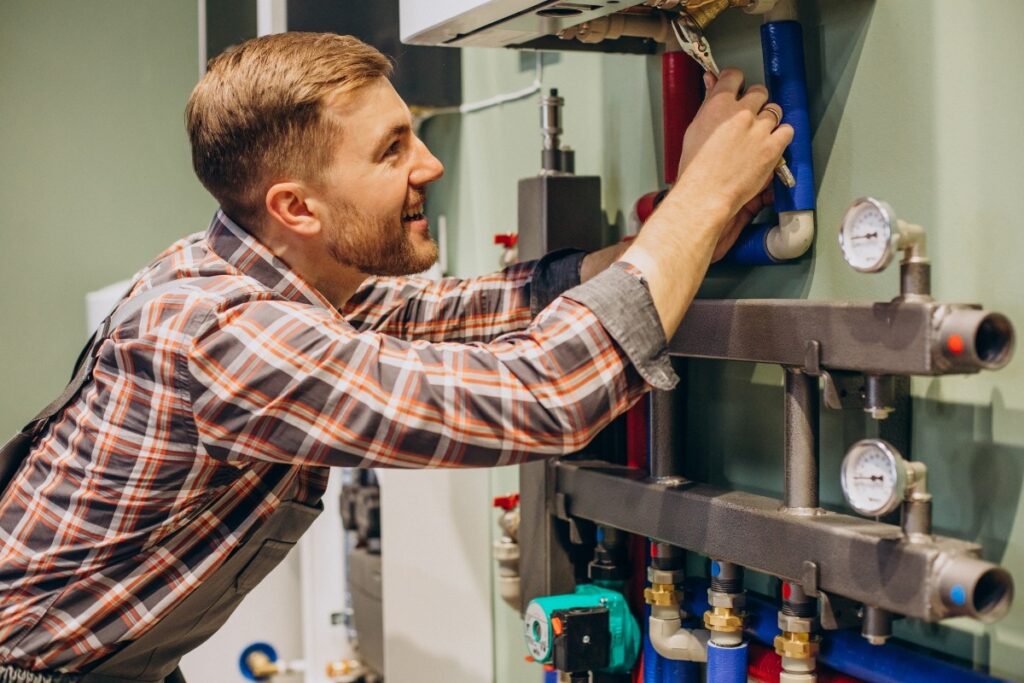
Prevention tip: Schedule a furnace maintenance at least once a year, ideally before the heating season starts. Regular maintenance keeps your system efficient, safe, and covered under most manufacturer warranties.
8. Unusual Noises or Odors
Banging, rattling, or squealing sounds usually mean something inside the furnace is loose, worn, or unbalanced. Burning or musty odors could indicate dust buildup, overheating, or even mold or other problems with your air ducts.
Prevention tip: Never ignore new sounds or smells. Turn off the furnace and call a technician to inspect it. Catching issues early often prevents costly repairs later.
9. Tripped Circuit Breaker or Power Issues
Sometimes, the fix is surprisingly simple: your furnace may have tripped the circuit breaker. Power surges, bad wiring, or a failing motor can all trigger it. If resetting the breaker helps temporarily, there’s still an underlying electrical issue that needs attention.
Prevention tip: Make sure your furnace is on its own dedicated circuit and that all electrical connections are tight. A yearly inspection will also check for frayed wires or other safety hazards.
Keep Your Furnace Running Like New
Now that you know the common furnace problems, prevention becomes your best defense. Most issues stem from poor airflow, skipped maintenance, or worn-out components, all things that regular inspections and filter changes can easily prevent.
A well-maintained furnace doesn’t just heat better; it runs quieter, lasts longer, and saves you money on repairs and energy bills.
Stay Warm and Worry-Free with Air Pro Master
When your comfort depends on reliable heat, you need a team that knows how to keep things running smoothly.
Air Pro Master has been helping Las Vegas homeowners prevent breakdowns and extend the life of their furnaces for years. Our certified HVAC technicians can perform a full inspection, clean your system, and catch problems before they start.
Because your furnace shouldn’t wait until it’s freezing outside to get attention, and with Air Pro Master, it won’t have to.
Contact us today to learn more about how we can help keep your furnace running efficiently.