
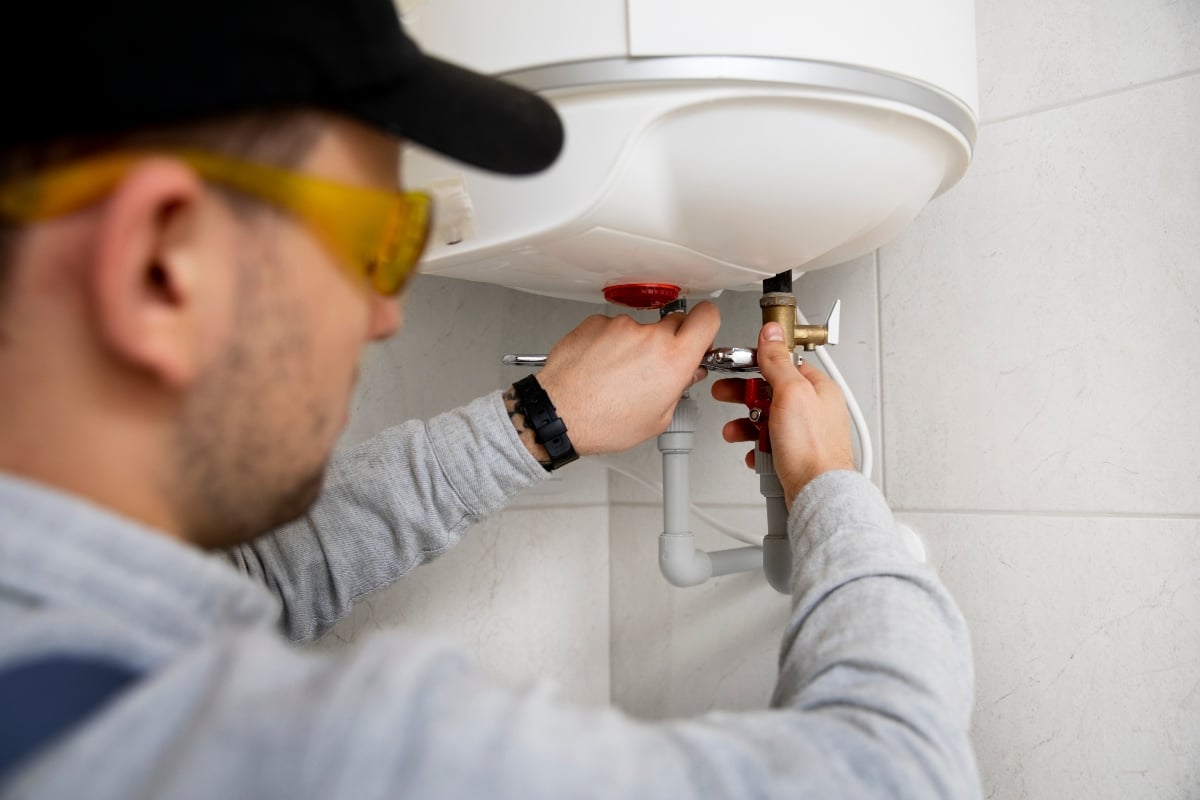
If you’ve lived in Las Vegas for a while, you’ve probably noticed that things wear out faster here than in other cities. Your water heater is no different. The combination of very hard water, very hot desert weather, and high demand all year long creates a perfect storm that makes water heaters last much less time than the national average.
In places with milder climates and softer water, water heaters can last 10 to 12 years. But homeowners in Las Vegas often have to replace them after just 6 to 10 years. If you know when your water heater is about to die, you can avoid huge leaks that could flood your garage or utility room, the annoyance of cold showers, and the high utility bills that come with an inefficient unit that is failing.
This guide will tell you how long water heaters really last in Southern Nevada, what affects their lifespan, how to tell when they are about to break down, and when it is better to fix your unit than to buy a new one.
How Long Water Heaters Last in Las Vegas
National averages say that tanks last about 10 to 12 years, and tankless units last 15 to 20 years or more. However, Las Vegas water heaters tend to wear out much faster than the averages suggest.
A traditional tank water heater in Las Vegas should last between 8 and 12 years in perfect conditions. However, when hard water and high demand wear it down, it usually only lasts between 6 and 8 years.
Tankless water heaters usually last longer – 15 to 20 years with good care, but if you don’t take care of the water and descale it, they can lose 20 to 30 percent of their lifespan.
Why Water Heaters Break Down More Quickly in Southern Nevada
Some of the hardest municipal water in the country comes from Las Vegas. The water from the Colorado River that comes out of our taps has a lot of calcium and magnesium in it. These minerals quickly build up on the bottoms of tanks, heating elements, and gas burners. This sediment acts like insulation between the water and the heat source, making your heater work harder and longer to get the same amount of hot water.
What happened? More energy use, parts that get too hot, and faster corrosion and tank damage on the inside. The heat and dryness of the desert, along with summer temperatures that can reach over 100 degrees, put extra stress on heaters, especially those in garages, attics, or outdoor closets. Showers, laundry, and dishwashing use a lot of hot water all year round, which makes the lifespan even shorter than in homes in cooler climates, where hot water use goes down in the summer.
Important Things That Affect Lifespan
The Quality of Water and the Hardness of Minerals
The main thing that shortens the life of water heaters in Las Vegas is hard water. Scale buildup blocks tankless heat-exchanger passages, coats heating elements, and clogs tank bottoms. No matter what brand or quality, this greatly lowers the efficiency and lifespan of both gas and electric units.
How Often Should You Perform Maintenance
Flushing once a year or regularly gets rid of sediment buildup and helps heaters last longer. Not doing this maintenance in places with hard water, like Las Vegas, is a big reason why things break down early. Checking and replacing anode rods before they are completely used up slows down the rusting of the inside of the tank and stops leaks from happening.
What Kind of Water Heater
Gas and electric, tank and tankless – all work differently in Las Vegas. Tankless units don’t lose heat when they’re not in use, but they can get scaling on the exchanger. When installed and cared for properly, high-end units with stainless steel or high-quality glass-lined tanks usually last longer than budget models.
Quality of Installation
Even the best water heater can fail if it is not installed correctly. Chronic stress, condensation, backdrafting, or overheating that shortens the life of any brand or price point can be caused by wrong venting, wrong gas line sizing, or not having enough expansion tanks where they are needed.
How People Use Their Homes
Heaters wear out faster in big houses that use a lot of hot water every day than in small houses that don’t use much hot water. If you use your unit a lot, have hard water, and don’t take care of it, it will last the shortest time possible.
The First Signs That Your Water Heater Is About to Break Down
Issues with Temperature and Performance
Your heater is getting old if the water doesn’t get as hot as it used to, it takes longer to recover, or the hot water runs out faster than it used to. These changes in performance usually mean that the tanks are full of sediment or that the heating elements and thermostats are broken.
Weird Noises
If your water heater makes rumbling, popping, or crackling sounds, it’s likely because water is bubbling through thick layers of sediment on the bottom of the tank. This is a sign of advanced hard-water scaling. These sounds mean that your heater is working much harder than it should.
Water That Is Rusty or Discolored
If your hot water is rust-colored or has other colors in it, it could mean that your tank is corroding from the inside or that your anode rod is completely worn out. If you see rust in your hot water, the tank’s protective lining has probably broken down.
Water or Moisture Leaking Around the Unit
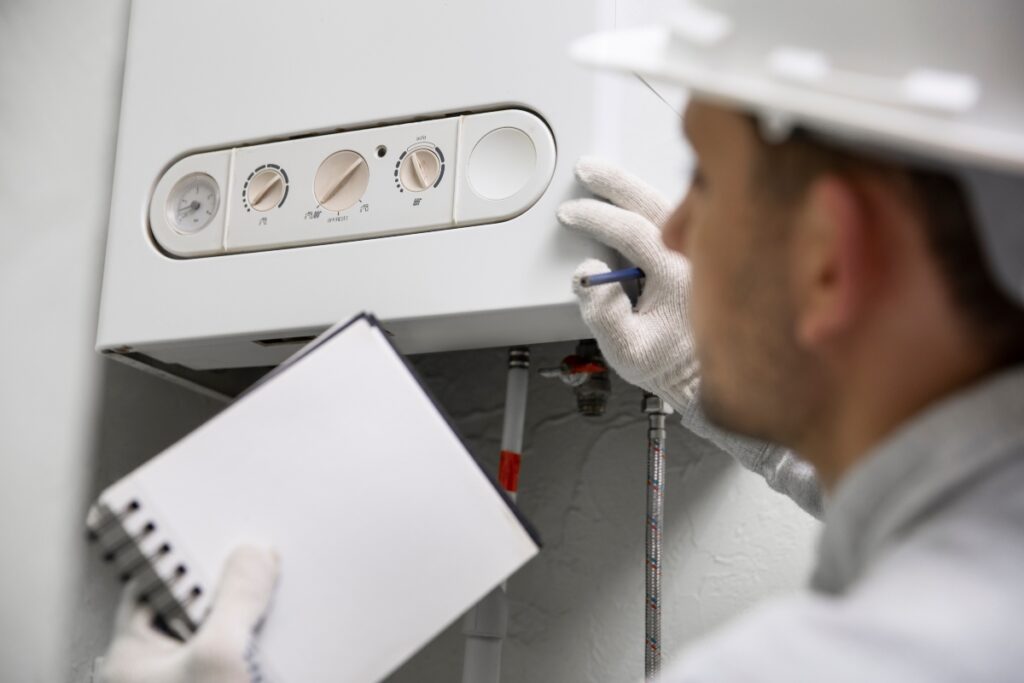
If you see any water, drips, or pooling around the base of your heater, corrosion on the fittings, or a swollen tank, you should be very concerned. These signs mean that leaks or bursts are about to happen, which could cause a lot of water damage to your home.
Bills for Utilities Going Up
If your gas or electric bills go up but you don’t change how you use them, it’s usually because your appliances aren’t working as well. A broken water heater takes longer and works harder to give you the same amount of hot water, which wastes energy and money.
A Lot of Repairs
If you have to keep fixing valves, controls, or burners, it means your heater is getting close to the end of its life. When the cost of repairs starts to add up, it often makes more sense to buy a new one.
When to Fix and When to Get a New One
When a Fix Might Be Enough
On newer units, small problems like loose fittings, broken temperature and pressure relief valves, minor control or thermostat issues, and single electric heating elements can often be fixed without spending a lot of money. If your heater is only a few years old and the problem is only with one part, it makes sense to fix it.
When It’s Better to Replace
A lot of professionals follow the “50 percent rule“: if a repair costs 50 percent or more of the price of a new unit and the heater is close to or past its normal life span of 8 to 10 years in Las Vegas, it’s better to replace it.
If your tankless unit has persistent leaks, visible rust, sediment problems that have gotten worse, or a cracked heat exchanger, it’s time to get a new one. You can’t be sure that “patching” the tank will work, so if the tank itself is damaged, the only safe option is to replace it.
How to Choose the Right Replacement Unit
Choices Between Tank and Tankless
People who own homes in Las Vegas often choose between a tank and a tankless system based on their budget, available space, and how they plan to use the water. Tank heaters cost less to buy and are easier to install. Tankless units are more efficient, provide unlimited hot water, and may last longer, but they need the right gas size, venting, and strict water treatment to deal with our hard water.
Sizing It Right
Getting the right size is very important. A tank that’s too small or an undersized tankless system leads to constant complaints and excessive work, which shortens the lifespan. Oversizing wastes money and can even make things less efficient.
Gas vs. Electric
Gas units are common in Las Vegas homes that already have gas lines, but electric models work well in some situations. Your electrical panel’s capacity and the cost of energy in your area are both important factors in this choice.
Choices for High Efficiency
Condensing and high-efficiency models can save a lot of money on operating costs. When paired with whole-home softeners and regular maintenance schedules, these units often work better in hard-water areas.
How to Make Your Water Heater Last Longer in Las Vegas
Flushing Once a Year
Draining and flushing your tank once a year, or more often if you have very hard water, gets rid of sediment, cuts down on rumbling, makes it work better, and helps tanks last as long as they should. In Southern Nevada, many local experts say that flushing should be done at least once a year. Some homeowners choose to do it more often.
Replacing the Anode Rod
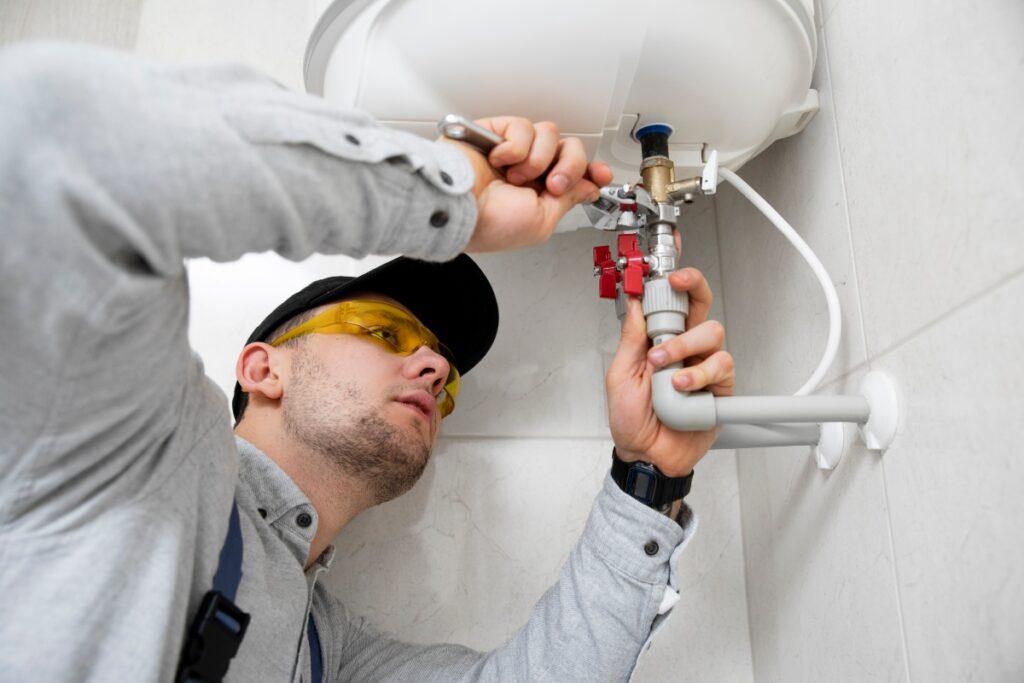
Checking anode rods every one to three years and replacing them when they are very worn out keeps the steel tank shell from rusting. This easy maintenance task can make your water heater last for years longer.
Advantages of Water Softeners
Whole-home softeners or separate treatment systems cut down on scale buildup by a lot. Softener systems are one of the best investments for Las Vegas homeowners because they last longer and use less energy.
Maintenance by Professionals
Annual tune-ups that check for leaks, combustion, venting, temperatures, temperature-and-pressure valve operation, and expansion control help find problems before they cause failures or safety risks.
Costs in Las Vegas
The cost of repairs varies widely depending on which parts need to be replaced, such as valves, thermostats, elements, igniters, or controls. But if you have to make the same repairs on an older unit over and over again, the cost of those repairs will quickly add up to the cost of a new unit.
In Las Vegas, the cost of a replacement depends on the type of tank (tankless or tankless), the size, the type of fuel, the brand, whether venting or gas-line changes are needed, permits, drain pan upgrades, and haul-away fees. Tankless systems usually cost more up front, but they last longer and save you money on energy costs, which makes up for the initial cost.
Hard water raises long-term costs by requiring more frequent replacements, using more energy, and requiring more maintenance if not treated with softeners or aggressive flushing schedules.
How Air Pro Master Helps People in Las Vegas
Complete Inspection and Diagnosis of the Water Heater
Air Pro Master offers HVAC services and full water heater inspections in all of Las Vegas and Southern Nevada. Our licensed technicians look at the age, performance, leak risk, and maintenance history of your water heater to give you a clear picture of how it is doing.
Honest Suggestions for Repair or Replacement
We give honest advice on whether to fix or replace things based on the hard water conditions in your area. We don’t want to sell you equipment you don’t need; we just want to help you make the best choice for your situation.
Putting in Tank and Tankless Units
We put in new tank and tankless water heaters from well-known brands, making sure they are the right size, vent properly, and meet all building codes. Our technicians know how to deal with the problems that come with Las Vegas water and weather.
Ways to Deal with Hard Water (Softening and Descaling)
We can combine hard-water solutions like whole-home softening systems and descaling maintenance plans to make sure your new unit lasts as long as possible and works as well as it can.
Prices Upfront and 24/7 Emergency Service
If your water heater breaks, you can call us any time of day or night for emergency service. We give you clear, upfront prices so you know what to expect before we start working.
Replace your old water heater before it breaks down completely.
Call us today for a professional evaluation and honest advice if your unit is approaching the 8- to 10-year mark or showing any warning signs.
Questions That Are Often Asked
How long do water heaters usually last in Las Vegas?
In Las Vegas, tank water heaters usually last between 6 and 10 years, while tankless units can last between 15 and 20 years if they are well cared for. Without good care, local hard water often pulls these numbers down toward the lower end.
Does hard water really make water heaters last less long?
Yes, for sure. Hard water causes scale and sediment to build up, which uses more energy, overheats parts, and rusts tanks and exchangers. In Las Vegas, this is thought to be a major cause of water heater failure.
Should you switch to tankless in Vegas?
It can be, especially for people who have lived in the same place for a long time or who have a lot of people living with them. Tankless systems are more efficient and last longer, but they need to be sized, installed, and maintained properly in our hard-water market.
How often should I clean out my water heater?
In Southern Nevada, many local experts say that flushing should be done at least once a year. Some homeowners with very hard water or who use a lot of water choose to do it more often, such as every 6 months or every 3 months.
Can a broken water heater cause leaks or floods?
Yes. Tanks that have internal corrosion and scale that makes them weaker will eventually leak or break suddenly, which can cause a lot of water damage if not caught in time. This is why it’s so important to replace it early.