
How much does blown in attic insulation cost? The answer depends on your attic size, current insulation condition, material choice, access, and the amount of prep work needed before installation. In Las Vegas, cost also depends on how much protection your home needs against long cooling seasons, high attic temperatures, and the strain those conditions place on your HVAC system.
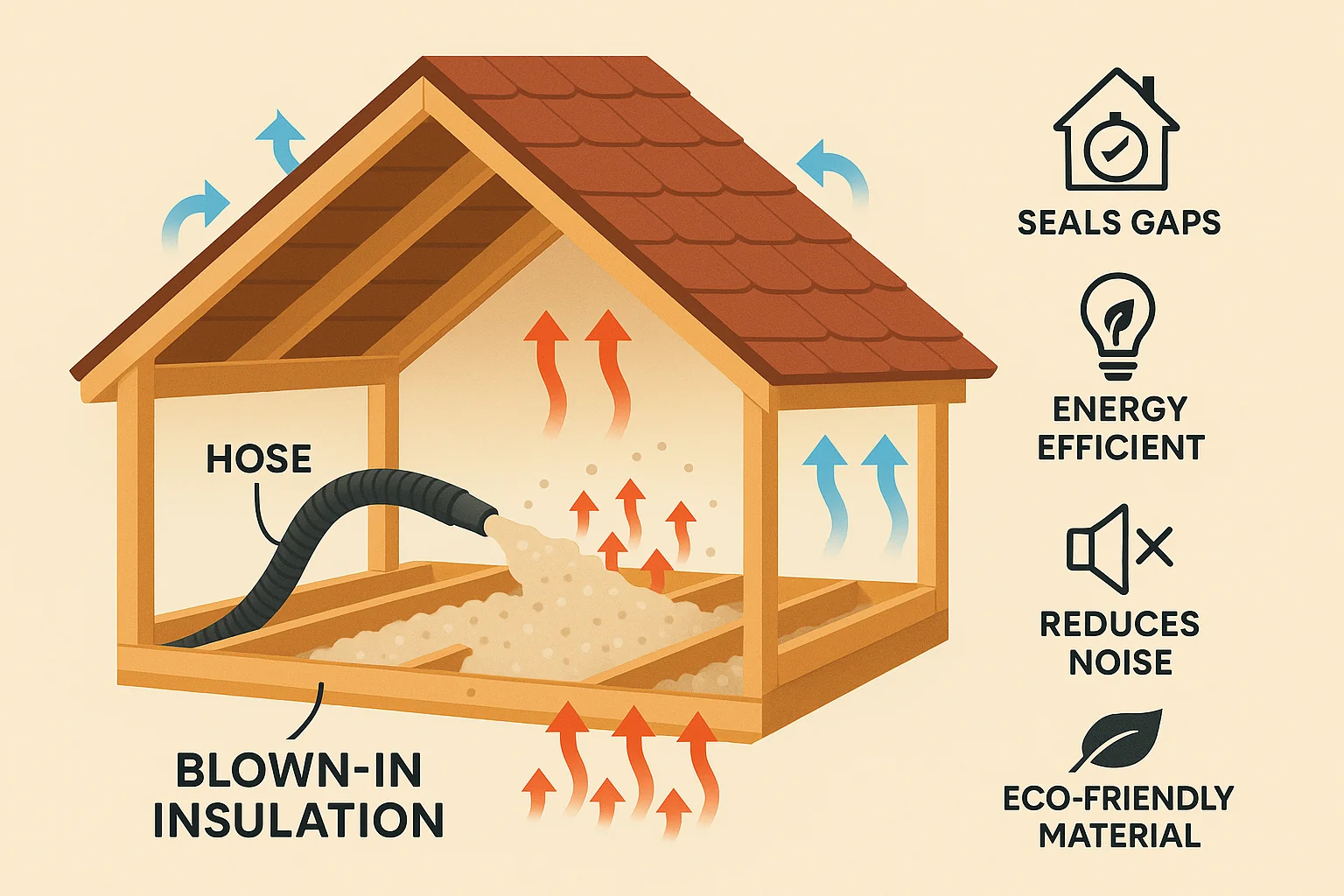
Blown-in attic insulation is a popular upgrade because it fills gaps, corners, and tight areas better than many older insulation methods. Instead of relying on rolls or batts that must be cut and placed by hand, blown material is installed with specialized equipment so it can settle around joists, ducts, wiring, and other attic features.
Air Pro Master helps Las Vegas homeowners and business owners understand what drives insulation cost before work begins. As a local family-owned company with HVAC, heating, plumbing, and insulation experience, the team looks at the full comfort picture. That means your estimate is based on the attic, the home, and the way your cooling system works during desert heat.
Why Blown-in Attic Insulation Affects Comfort and Cost
Attic insulation has a direct impact on how your home feels and how hard your air conditioner has to work. In Las Vegas, heat builds quickly in attic spaces. When insulation is thin, uneven, or missing in areas, that heat moves into the rooms below. Your AC runs longer to keep up, and your energy bills can rise.
Blown-in insulation helps create a more even thermal barrier across the attic floor. It reduces heat transfer from the attic into the living space and helps conditioned air stay where it belongs. For homes with hot bedrooms, long AC cycles, or uneven temperatures, the attic is often a good place to start.
Blown material also works well in older homes because many attics have obstacles. Ducts, plumbing lines, recessed lighting areas, framing changes, and low-clearance spaces can make traditional insulation harder to place correctly. Loose material can fill those areas with fewer gaps.
The upfront project cost should be weighed against long-term comfort and energy performance. A low-cost installation that leaves thin spots or skips needed prep work may not solve the problem. A well-planned project can help reduce wasted energy, support HVAC performance, and make indoor temperatures feel more consistent.
Air Pro Master approaches attic insulation as part of home comfort. Since the company also handles HVAC and plumbing services, technicians understand how attic heat can affect ductwork, equipment strain, and indoor air quality.
Main Factors That Shape Attic Insulation Cost
No two attic insulation projects are exactly the same. A simple top-off over clean existing material will usually cost less than a project that needs removal, sealing, repairs, or deeper coverage.
The largest cost factor is attic size. Most pricing starts with the square foot area that needs coverage. A larger attic needs more material and more labor. Depth also matters. If your attic has very little existing insulation, the project may require more material to reach the target R-value.
Accessibility can affect labor costs. Some attics have wide, easy access and open walking areas. Others have tight entries, low rooflines, complex framing, or equipment in the way. Harder access can add time and require extra care.
Material choice also changes pricing. Blown-in cellulose may have a different material cost than blown-in fiberglass. Spray foam and specialty products can cost more, especially when used for targeted air sealing or moisture control.
Prep work is another major factor. Before new material is installed, a technician may need to address air leaks, damaged insulation, moisture concerns, pest debris, blocked vents, or exposed areas that should remain accessible. This work can raise the total cost, but it also helps the insulation perform as intended.
Common cost drivers include:
- Attic square foot area and the amount of space that needs coverage
- Existing insulation depth and whether the attic needs a top-off or full replacement
- Material selection, including fiberglass, cellulose, or specialty foam
- Labor based on attic access, roof pitch, crawl space conditions, and installation time
- Air sealing around penetrations, access points, duct areas, and visible gaps
- Removal needs if old material is wet, dirty, pest-damaged, or compressed
- Ventilation and safety details that must be protected during installation
A clear estimate should explain each of these items so you understand what’s included.
Cost Breakdown by Material, Labor, and Prep Work
A good cost breakdown separates the project into practical parts. The first part is material. Most blown insulation projects use either cellulose or fiberglass. The amount needed depends on attic square footage, desired R-value, and existing coverage.
The second part is labor. Professional installation requires equipment, training, and careful placement. The installer must distribute the material evenly, protect ventilation, avoid covering restricted areas, and make sure the attic receives consistent coverage. Labor can also include setup, cleanup, and access protection inside the home.
The third part is preparation. Prep may be light or more involved depending on attic condition. If the existing material is clean and dry, a top-off may be possible. If old insulation is contaminated, wet, moldy, or affected by pests, removal may be needed before new material goes in.
Air sealing can also affect the quote. Insulation slows heat transfer, while sealing helps reduce unwanted air movement. Together, they help improve performance. Skipping sealing around obvious gaps may leave comfort problems unresolved.
A homeowner may also need related work before insulation installation. Roof leaks should be corrected. Pest issues should be handled. Damaged ducts, disconnected vents, or plumbing concerns should be reviewed. Adding new material over active problems can reduce the value of the project.
| Cost Item | What It Covers | Why It Matters |
|---|---|---|
| Material | Blown-in fiberglass, blown-in cellulose, or other selected product | Affects R-value, durability, moisture response, and price |
| Labor | Setup, equipment use, attic access, installation, cleanup | Proper placement helps prevent gaps and thin areas |
| Attic size | Total square foot area and needed depth | Larger or under-insulated attics need more material |
| Removal | Taking out damaged, dirty, or wet material | Provides a cleaner base for new insulation |
| Air sealing | Sealing visible gaps and leakage points | Helps insulation work better and can reduce energy waste |
| Access challenges | Tight entries, low clearance, obstructions | May add time and complexity |
| Related repairs | Duct, vent, roof, pest, or moisture concerns | Helps protect the new installation |
Some online tools, such as an insulation calculator, can give a rough estimate based on square foot area. Still, a calculator can’t see attic damage, low-clearance spaces, duct issues, or old material condition. A local inspection gives a more accurate price.
Comparing Blown-in Fiberglass, Cellulose, and Other Materials
Choosing the right material affects cost, performance, and long-term results. For many Las Vegas properties, blown-in fiberglass and blown-in cellulose are the most common options.
Blown-in fiberglass is lightweight, non-combustible, and often a strong fit for dry desert attics. It resists moisture absorption better than cellulose and doesn’ settle as much over time when installed correctly. It can be a good choice for homeowners who want long-term performance with less concern about material settling.
Blown-in cellulose is made from treated recycled paper fibers. It can provide dense coverage and may help with sound control. It’s often cost-effective and works well in many attic layouts. However, cellulose can settle over time and may be affected by moisture if attic conditions aren’t well controlled.
Traditional batt or roll insulation can work in open, simple attic layouts, but it often leaves gaps when cut around obstructions. In homes with complex framing, ducts, and wiring, blown material can provide better coverage.
Spray foam may be used in certain situations, especially where sealing is a major concern. It can be useful in targeted areas, but it’s often higher in cost and may not be needed for every attic project.
The best material depends on your goals. If you want strong moisture resistance and stable coverage, fiberglass may be a good fit. If recycled content and dense coverage are priorities, cellulose may be worth considering. If the attic has unusual air leakage or moisture concerns, a technician may recommend a combined approach.
Air Pro Master reviews these options during the estimate so the final recommendation fits your property, budget, and comfort goals.
How to Plan Your Insulation Installation
Planning ahead helps keep the project smooth and helps the estimate stay accurate. Before scheduling installation, it’s useful to think about the problems you want to solve. Are certain rooms too hot? Are energy bills rising? Is old insulation visible, flat, or patchy? These details help the technician understand what you’re experiencing.
During the inspection, Air Pro Master can measure current attic insulation, look for low areas, check attic access, review duct and vent conditions, and identify prep work. The technician can also explain whether removal is needed or whether new material can be added over the existing insulation.
Homeowners can prepare for installation by clearing access and making sure technicians can reach the attic safely. Stored items should be moved away from the access point. If the attic contains belongings, they may need to be covered or removed before work begins.
Before installation day, consider these steps:
- Clear the attic entry and nearby hallway or room.
- Move stored items away from the work area when possible.
- Tell the technician about known roof leaks, pest issues, or past moisture problems.
- Point out HVAC equipment, ductwork, wiring, or plumbing in the attic.
- Keep children and pets away from the work area during service.
- Ask whether any rebates, promotions, or financing options are available.
After installation, you should understand what material was used, what depth was installed, and whether any follow-up recommendations remain. A professional crew should also clean the work area and answer your questions before leaving.
Schedule a Las Vegas Attic Insulation Estimate
The cost of blown-in attic insulation depends on your attic, your material choice, and the prep work needed for lasting results. While square foot pricing can be helpful, the most accurate number comes from an in-home evaluation.
Air Pro Master provides attic insulation services for Las Vegas homeowners who want better comfort, lower energy waste, and less strain on their HVAC system. The team can inspect your attic, explain the cost breakdown, compare material options, and provide a clear estimate before work begins.
Ready for a clear price? Contact Air Pro Master to schedule a Las Vegas attic insulation estimate and get practical recommendations for your home or business.