
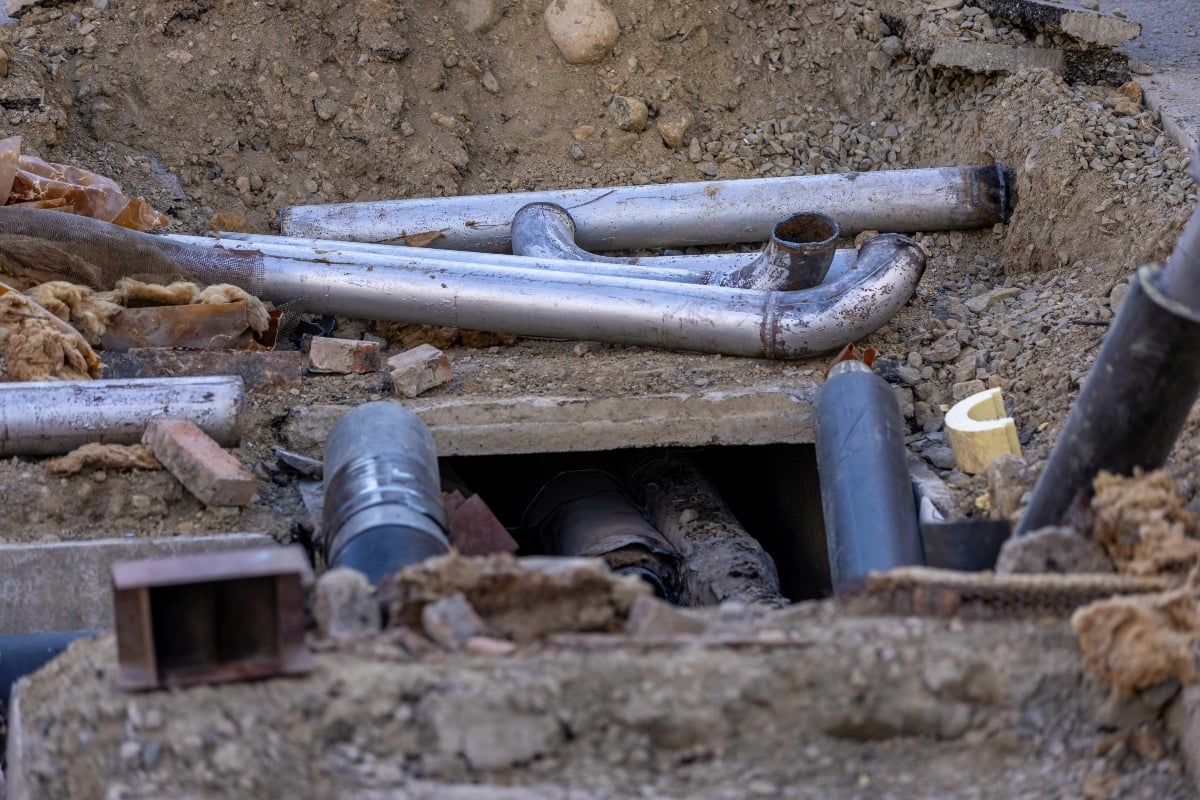
Few plumbing issues are more stressful or costly than slab leaks. These hidden leaks develop in the pressurized water lines buried under the concrete foundation of your home. They can slowly erode soil, weaken your slab, and damage your floors and walls for weeks or even months before you realize there’s a problem.
Slab leaks are unfortunately common in Las Vegas. Hard water, shifting desert soils, high city water pressure, and aging copper pipes all work together to weaken your plumbing. If a slab leak is found late, repairs can run into the tens of thousands of dollars once you factor in foundation work, mold removal, and rebuilding damaged areas.
The good news is that early detection can save you from massive repair bills and structural damage. This guide explains what causes slab leaks in Las Vegas homes, the warning signs to watch for, and the professional solutions that can protect your home and your budget.
What Is a Slab Leak?
A slab leak is a leak in the pressurized water pipes that run under or through the concrete foundation of your home. These problematic pipes can be on the hot or cold side. They are not drain or sewer lines, but the supply lines that deliver water to your fixtures.
A slab leak often starts as a small pinhole and gets worse over time, eventually turning into multiple pinholes or a larger breach that washes out the soil under your house. Water can then migrate up into the walls and floors, causing damage that you don’t see until it becomes advanced.
Because these pipes are completely buried, slab leaks often go unnoticed. Most of the water loss happens underground, and the first signs may be a slightly higher bill, warm areas on the floor, or hairline cracks that homeowners dismiss as normal settling.
Why Las Vegas Has So Many Slab Leaks
Mineral Buildup and Hard Water
Las Vegas water is extremely hard because it comes from the Colorado River and Lake Mead, which contain high levels of calcium and magnesium. This accelerates corrosion and scale buildup inside copper pipes commonly used in older tract homes throughout the valley.
Hard water causes pitting, slowly thins pipe walls, and creates mineral crusts that form stress points where leaks eventually develop. Over time, these minerals eat away at pipes from the inside out.
Shifting Desert Soil
Desert soils in the area, often made up of clay and sandy layers, expand and contract as temperature and moisture levels change. This constant movement shifts the ground and puts mechanical stress on buried water lines.
Droughts followed by sudden monsoon rains cause big changes in soil volume, putting additional stress on rigid copper pipes under your slab. That stress leads to cracks, pinholes, and failed joints over time.
High Water Pressure in Many Neighborhoods
In some parts of Las Vegas, municipal water pressure is higher than ideal for residential plumbing. Constant high pressure stresses joints, weakens pipe walls, and speeds up wear at every connection and weak spot in your system.
Age of Plumbing Materials
Many older Vegas homes were built with soft copper or thin-wall copper installed directly in or under the slab. These materials were standard decades ago, but are far more prone to corrosion and failure than modern PEX piping.
After decades of hard water, pressure, and soil movement, these buried copper lines become increasingly fragile.
Extreme Temperature Swings
Las Vegas has large temperature swings. In summer, the ground and slab can exceed 120 degrees, while winter nights can turn sharply colder. This thermal expansion and contraction adds even more stress to pipes already dealing with corrosion and soil movement.
Signs of Trouble Homeowners Should Never Ignore
Unexplained Water Bill Increases
Even small slab leaks will show up on your water bill. If your usage habits haven’t changed but your bill suddenly spikes, it may indicate a hidden leak on a pressurized line. A slab leak is a common cause when the meter keeps moving even though all fixtures are off.
Warm or Wet Spots on Floors
Warm or damp spots on tile, laminate, or carpet, especially in interior areas where there are no nearby fixtures, are classic signs of a hot-water slab leak. Heat and moisture spread horizontally under flooring before they show up on the surface, creating odd warm or soft areas underfoot.
Sound of Running Water When Fixtures Are Off
If you hear water running when all faucets, showers, and appliances are turned off, something is wrong. If this happens along with a drop in pressure at multiple fixtures, it suggests a leak somewhere in the main distribution system, not just at a single faucet or shower.
Lower Water Pressure Throughout the House
A general pressure drop is different from a clog at one sink or shower. When water is escaping underground through a slab leak, you’ll notice lower pressure at several fixtures at the same time, not just at one problematic tap.
Cracks in the Floor or Foundation
Cracks in the flooring or slab, doors that suddenly don’t align, or baseboards and lower wall sections with moisture, staining, or warping can indicate that the soil and concrete are shifting due to water leaking under your home.
Mold, Mildew, or Musty Odors Indoors
Musty odors, visible mold or mildew near the floor, or recurring “mystery” moisture under flooring can all point to moisture wicking up from a slab leak rather than simple surface spills. This moisture moving through concrete creates ideal conditions for hidden mold growth.
What Can Happen If You Ignore a Slab Leak
Major Structural Damage
If you ignore a slab leak, water can erode and soften the soils supporting your foundation. This leads to settlement, cracks in the slab, heaving in some areas, and damage to walls, framing, and flooring. Your foundation – the base of your entire home – can be compromised.
Mold Growth and Indoor Air Problems
Persistent moisture encourages mold growth and worsens indoor air quality. Cleanup is expensive, and the health risks are real, especially for children, older adults, and anyone with respiratory conditions.
Higher Utility Bills
Continuous leaks can waste hundreds or thousands of gallons of water, driving up your bill month after month. If the leak is on a hot-water line, your water heater has to work constantly to keep up, increasing your energy costs as well.
Very High Repair Costs
What could have been a small pipe repair can turn into demolition, foundation repair, mold remediation, and partial repiping. The cost difference between early detection and late-stage repairs can easily reach tens of thousands of dollars.
How to Check for and Find a Slab Leak
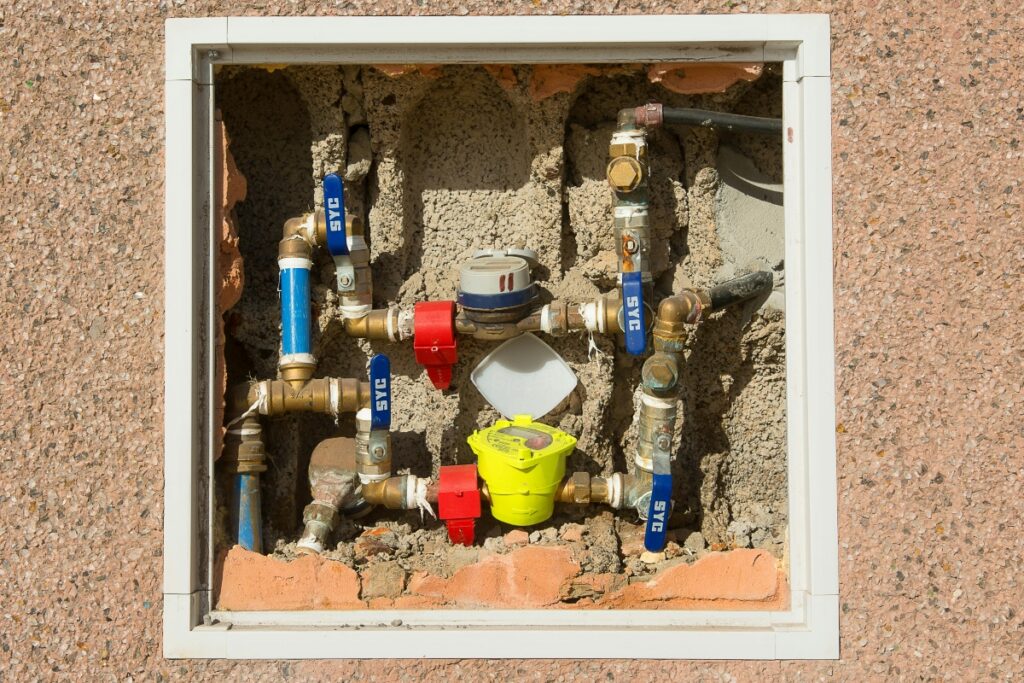
Meter Test to Confirm a Leak
Homeowners can do a simple meter test:
- Turn off all water uses in the house, including toilets, irrigation, and appliances.
- Check the water meter to see if the flow indicator or leak dial is still moving.
If the meter shows movement with everything off, you likely have a hidden leak. If no above-ground fixture is dripping, a slab leak becomes a strong suspect.
Professional Leak Detection
Professional plumbers use specialized tools to pinpoint leaks:
- Acoustic listening devices pick up the sound of water escaping under pressure.
- Infrared thermal imaging reveals hot-water flows and warm spots beneath floors.
- Moisture meters measure how damp walls and floors are.
- Pressure testing of individual hot and cold circuits helps isolate which line is leaking and roughly where.
Why You Shouldn’t Dig Blindly
Accurate location is critical. Breaking concrete or digging “blind” without proper diagnostics can cause unnecessary damage, miss the true leak location, and cost you thousands more than needed. Professional detection ensures you only cut the slab where it’s absolutely necessary.
Modern Ways to Fix Slab Leaks
Direct Spot Repair
Direct spot repair involves opening the slab or soil directly above the leak, exposing the pipe, and repairing or replacing the damaged section. This is most practical when the leak is accessible, and the rest of the line is still in good condition.
Re-Routing and Re-Piping
In older homes with multiple slab leaks or heavily deteriorated copper, rerouting or repiping is usually a better long-term solution. New PEX or other approved piping is run through walls, ceilings, or soffits to bypass the slab completely. It costs more up front, but it eliminates future leaks in that buried run.
Epoxy Pipe Lining
Epoxy pipe lining coats the inside of existing pipes and can work in some situations, but it’s not suitable for every system. Heavily corroded or poorly routed piping may not be good candidates.
Regulating Water Pressure
Adding or adjusting a pressure-reducing valve at the main water entry lowers system pressure to a safer range, usually between 55 and 70 PSI. This greatly reduces mechanical stress on pipes and joints throughout your home.
Stopping Slab Leaks from Happening Again
Installing a Water Softener
In Las Vegas, where water is extremely hard, a whole-home water softener reduces mineral scaling and some types of corrosion that thin copper walls from the inside. That protection extends the life of all your plumbing, not just the slab lines.
Keeping Water Pressure at Safe Levels
A properly set pressure-reducing valve keeps water pressure in a safe range and significantly lowers stress on both new and older lines. This helps prevent mechanical failures that can lead to leaks.
Regular Plumbing Inspections
Regular inspections, especially in older neighborhoods, can prevent leaks by catching early warning signs like corrosion at accessible points, recurring pinhole leaks, or unexplained pressure changes before major slab failures occur.
Upgrading Old Copper to PEX
When significant work is needed anyway, replacing older soft copper in the slab with PEX routed through conditioned spaces offers greater flexibility, better handles shifting soils, and reduces the number of buried joints that can fail unnoticed.
Why Slab Leak Problems Are Different in Las Vegas
In Las Vegas, slab leaks occur more often and are more severe than in many other regions because of extremely hard water, aging copper plumbing in older neighborhoods, shifting desert soils, and very high ground and slab temperatures in summer.
Long irrigation seasons and heavy water use put additional stress on supply lines. Minerals thin the pipes, soil movement shifts them, and high pressure drives water through weak points. As a result, Las Vegas homes need earlier and more proactive leak monitoring and plumbing upgrades than homes in cooler areas with softer water.
How Air Pro Master Finds and Fixes Slab Leaks
Full Leak Detection
We start with noninvasive diagnostics: meter confirmation, pressure checks, acoustic and thermal imaging, and moisture mapping. This helps us pinpoint the leak’s location before any cutting or digging. Accuracy matters, so we only open what we absolutely have to.
Upfront Pricing and Clear Repair Options
Once we’ve confirmed the leak, we walk you through options such as spot repair versus rerouting or repiping. We explain the pros and cons of each approach for your home’s age, plumbing type, and accessibility, and provide upfront pricing for each option.
24/7 Emergency Service
For active leaks that are causing significant damage, our emergency response and temporary shutoff or bypass solutions are critical. We’re available 24/7 when you need us.
Long-Term Protection Plans
Beyond the immediate fix, our plumbing services help protect your investment with pressure-reducing valve installation or adjustment, water-softening systems, and regular inspections to safeguard new piping and reduce the risk of future slab problems.
Don’t let a small slab leak turn into a foundation disaster. If you’ve noticed warning signs such as high water bills, warm spots on the floor, or the sound of running water even with everything off, call Air Pro Master for professional leak detection and repair.
Common Questions
What is the most common reason for slab leaks in Las Vegas?
Corrosion from hard water inside copper lines and long-term high water pressure are the main causes. Shifting desert soils and aging systems also play a big role.
Are slab leaks dangerous?
Yes. If ignored, they can weaken foundations, cause structural movement, encourage mold growth, and lead to very expensive repairs.
How quickly do slab leaks get worse?
Even small slab leaks can worsen quickly as soil erodes or shifts, and pipe walls continue thinning under pressure.
Can homeowners find a slab leak on their own?
You can spot warning signs and use a meter test to confirm a hidden leak, but pinpointing the exact location requires professional tools like acoustic listening devices and thermal imaging.
What is the average cost of fixing a slab leak?
Costs vary based on access and repair method. A single spot repair is cheaper but might not solve underlying pipe deterioration. Rerouting or repiping costs more upfront but greatly reduces the risk of future slab leaks.