
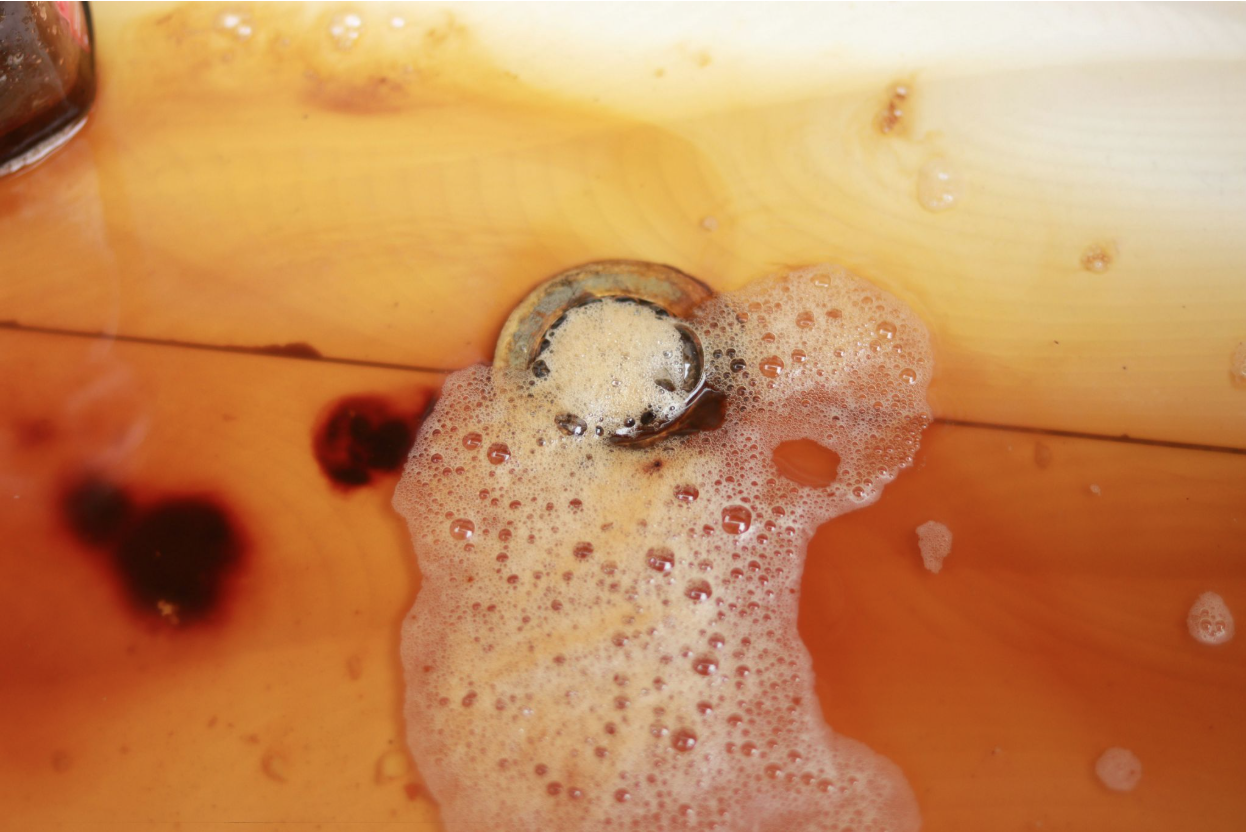
Does it feel like your kitchen sink has been draining a little more slowly? Has it seemed like whenever you drain your sink, it goes slower and slower? This could be a sign that your sink is either clogged or about to be.
In Henderson, the change from “slow drain” to “complete blockage” happens faster than in most places. The reason for it may surprise you: it’s the desert. As hard as it may be to believe, the desert heat can have a bigger effect on clogged sinks than most homeowners think.
Extreme summer heat, hard water chemistry, and even construction methods used for your property can all work together to turn kitchen grease from liquid cooking oil into rock-hard pipe obstructions that only professionals can clear.
An All-Too-Common Scenario
You wake up to find your kitchen sink drains slowly. It’s nothing major, it’s just a few more seconds for the water to clear after washing the dishes. But, it doesn’t stay that way.
Sure, the garbage disposal is still working fine, more or less. It grinds everything up loudly as usual. The drain doesn’t look blocked. You think it’s not a big deal.
Then, you wake up one morning to find that the sink is full of standing water after running the dishwasher. The drain is totally blocked. What seemed like a small problem turned into a plumbing emergency almost overnight. That’s when you should call the pros.
What Makes Grease Different in Desert Plumbing Systems
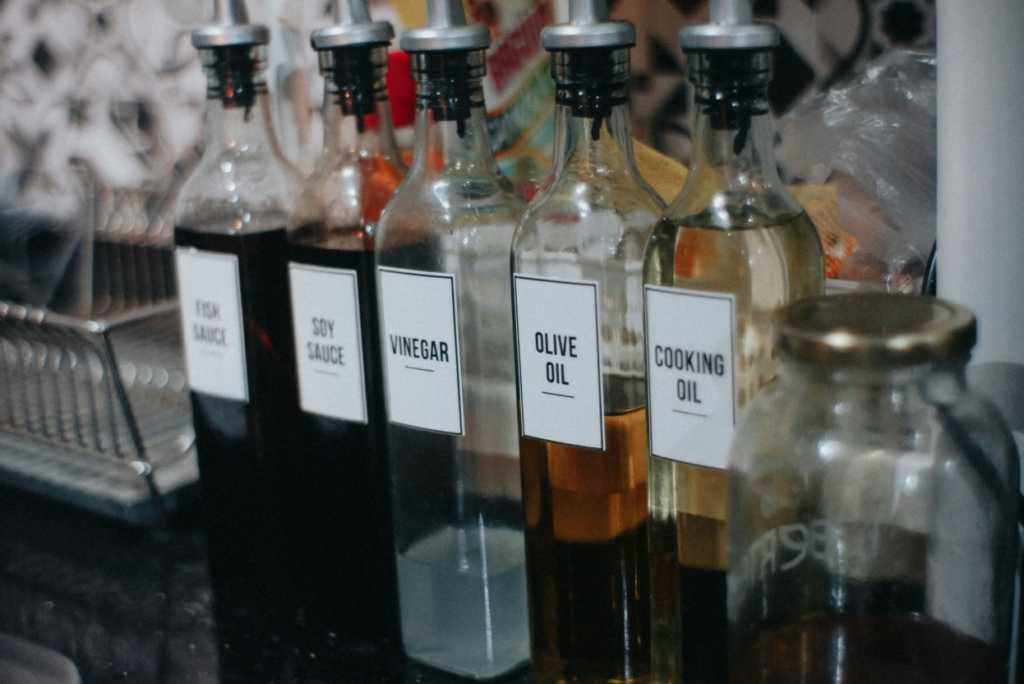
“F.O.G.” doesn’t have to mean “surface level mist.” In terms of plumbing, it’s an acronym which stands for fats, oils, and grease. This “F.O.G.” acts very differently in pipes than it does in your kitchen.
When you’re cooking at 300°F or higher, grease is a liquid in the pan. Then, when you pour it down the drain with hot tap water at 120°F, it stays liquid at first. But as it moves through your plumbing system, it goes through cooler and cooler places. This can lead to hardening.
Slab Foundations and Temperature Shifts
Kitchen drain lines in Henderson homes built on slab foundations are buried under desert soil and encased in concrete. Your air-conditioned home stays at 75°F, but the soil under the slab usually stays somewhere between 70°F and 85°F. The concern here is that this temperature is much cooler than the hot water, which carries the grease through the first parts of the pipe.
The Cloud Point Reaction
When hot grease hits these cooler pipe sections, it reaches what chemists call its “cloud point.”
This is the temperature at which fatty acid crystals start to form in the liquid. At different temperatures, different types of fat become solid. For example, bacon grease and lard harden when the temperature is between 86 and 113 degrees Fahrenheit.
At 90 to 95 degrees Fahrenheit, butter hardens. When vegetable oils come into contact with mineral deposits and other organic materials in pipes, even though they stay liquid at room temperature, they change chemically.
These fatty acid crystals harden and stick to the walls of the pipe. That increases the friction of the pipe walls, thus trapping grease and food particles. Over time, this friction makes the pipe’s effective diameter smaller. This can go on for a while before you notice. Sometimes, it can be as much as 50–75% smaller before homeowners notice any problems.
How Henderson’s Desert Heat Makes Things Worse
Grease solidification happens in any climate, but Henderson’s extreme desert conditions can potentially make the problem worse.
In Henderson, attics can get as hot as 130 to 155 degrees Fahrenheit in the summer. This extreme heat affects secondary plumbing lines, like vent stacks and some branch lines, that run through outside walls or attics. The grease in these areas doesn’t harden. Instead, it stays semi-liquid and very sticky all day.
This hot grease can move down through vertical vent stacks and horizontal branch lines to cooler areas near the slab. When the temperature drops at night, the grease hardens in places deep within the drainage system, far out of reach for homeowners to clean.
Day and Night Thermal Cycling
Henderson’s daily temperature can fluctuate. It’s very possible to have differences of more than 40°F between day and night. This can make plumbing materials expand and contract.
For example, pipes may get a little bigger during the day. They can then get smaller at night and push semi-solid grease against the walls of the pipes. This, in turn, makes the layers thicker and the blockage density higher.
After thousands of these cycles, the grease then turns into a laminated, multi-layered structural part of the pipe. This cycling also makes tiny cracks in existing deposits, which then lets new liquid grease seep into the cracks. This can harden during the next cooling cycle, causing further problems.
Biological Acceleration at 110°F
The heat in the air makes bacteria in drainage systems break down organic material much more quickly. For example, bacteria can do this to organic matter stuck in grease clogs faster at 110°F than at lower temperatures.
This fast growth of bacteria makes biofilm, a slimy biological glue that traps food particles and holds them together in the grease matrix.
Faster decomposition also releases hydrogen sulfide and volatile organic compounds. If those sound familiar, there’s a reason for that. They are the bad smells that Henderson homeowners often notice in the summer.
Even worse than a smell, these bacteria byproducts include acids that eat away at metal pipes and fittings from the inside.
Why Grease Clogs Start Slowly and Then Fail Quickly
Phase 1: Initial Coating
A thin layer of grease and mineral deposits builds up on the walls of the pipes. There are no external signs that the homeowner may notice. The sink drains as it should.
Phase 2: Scaffold Formation
Grease traps food, hair, and soap scum, making the surface rough so that more dirt can stick to it. At times, you may hear a gurgling sound. If you use the dishwasher a lot, the drainage might slow down somewhat.
Phase 3: Severe Narrowing
The pipe’s effective diameter shrinks by 50% to 75%. It takes a lot longer for the sink to clear. When the weather is hot in the summer, trapped organic matter breaks down and smells awful.
Phase 4: The Trigger Event
A burst of heavy sediment, like coffee grounds, rice, or pasta, or a sudden drop in temperature, completely closes the last opening. The drain is completely blocked.
Homeowners blame the last thing that went down the disposal, but that item was just the “straw that broke the camel’s back,” so to speak. The problem had been building for some time.
How to Tell If Your Kitchen Drain Is Worsening
Over the course of weeks or months, the sink drains more slowly, not all at once. Odd sounds can mean that air is trapped by partial blockages. Bad smells, especially in the summer, can mean that organic matter is breaking down in grease deposits.
Standing water in the sink after running the dishwasher and repeated small clogs that temporarily clear with plunging are both clear signs of narrowing pipes.
Why Hot Water and Dish Soap Do Not Solve the Problem
The Hot Water Problem
Boiling water turns grease into liquid near the sink. But, as water moves through the plumbing, it quickly loses heat. By the time it reaches pipes under the slab further down the system, the grease hardens again. This moves the blockage deeper and increases the risk of mainline clogs.
The Dish Soap Emulsification Problem
Dish soaps emulsify fats by breaking them into smaller droplets. But, Henderson’s 304 ppm hard water quickly neutralizes emulsifying agents. So, when the emulsion breaks down in slower-moving drain lines, grease separates and sticks to pipe surfaces.
Risk Factors Specific to Henderson
1990s–2000s Builder-Grade Plumbing
Henderson’s growth period from 1990 to 2010 resulted in many homes with builder-grade plumbing materials. That may sound like a good thing, but the problems with it have become more apparent recently.
For example, drain lines were often 1.5 inches in diameter instead of 2 inches. Smaller pipes, unfortunately, are more likely to be affected by grease buildup. An improper slope allows water to sit still, giving grease time to settle and harden.
Slab-on-Grade Vulnerability
Most homes are built on slab foundations. Main kitchen drain lines are buried under concrete and soil. Cooler underground temperatures cause grease to harden quickly. At the risk of understatement, access is limited underground, thus making DIY clearing ineffective once clogs extend beyond a few feet.
Hard Water Interaction
Henderson’s 18 GPG hard water creates calcium soaps when fatty acids react with minerals. These hardened deposits resist mechanical clearing. They may resemble candle wax or soft stone, but they’re hard to clear out. Calcium carbonate scale roughens pipe walls, which gives grease more surface area to bond with.
The Long-Term Effects of Grease
A complete kitchen line blockage prevents simultaneous use of the sink and dishwasher. Hydrostatic pressure can exploit weakened pipe sections, potentially leading to slab leaks.
Fatty acids and sulfuric gases corrode metal plumbing components. Over time, grease accumulation can weaken cast-iron pipes or soldered copper joints, leading to terrible hidden leaks.
Professional Drain Cleaning vs. Store-Bought Chemicals
Why Chemical Drain Cleaners Fail
Chemical drain cleaners burn through small openings but leave grease on pipe walls. They create temporary flow paths while worsening pipe damage.
Snaking vs. Hydro Jetting
Mechanical snaking punches holes through blockages but does not remove the grease coating. So, the clog returns when the opening closes.
Hydro jetting, on the other hand, uses high-pressure water to clean the entire inner diameter of the pipe, breaking down grease and restoring flow. This method removes buildup instead of just creating temporary openings.
How to Prevent Grease Clogs in Henderson
Never pour grease down the drain. Collect it in containers and discard it in the trash. Wipe pans with paper towels before rinsing. Use fine mesh strainers to catch food particles.
Run cold water after minor grease exposure so it hardens in the accessible P-trap rather than deeper slab-level lines. Depending on the age of your property, schedule professional camera inspections every two years.
Schedule Professional Drain Cleaning in Henderson
In Henderson, a slow kitchen drain rarely fixes itself. Desert heat, hard water chemistry, and slab construction allow grease buildup to escalate quickly until it can’t be ignored.
If your kitchen drain begins to slow, gurgle, smell, or clog repeatedly, call AirProMaster before it turns into a complete blockage. Our camera inspections can identify the exact cause and location of the obstruction. Then, our plumbing services can remove the grease completely.
You can call us any time of day or night, or book online.