
Garbage disposal problems are one of the most common kitchen plumbing calls in the Las Vegas Valley. Southern Nevada’s water is extremely hard, averaging 16 to 18 grains per gallon. That mineral concentration speeds up internal wear, especially when combined with grease, fibrous food waste, and overloaded units.
The result? More frequent jams compared to homes in areas with softer water.
The good news is that many disposal problems stem from simple mechanical issues that homeowners can safely fix in just a few minutes.
The first step is simple. Before doing anything, turn off the power. Never put your hand inside the disposal chamber. Use a flashlight to inspect the interior and remove debris only with tongs or pliers.
How a Garbage Disposal Works and Why It Jams
A residential disposal contains a high-torque motor that spins a flywheel. Attached to that flywheel is an impeller plate with small swivel lugs. These are not sharp blades, despite popular belief. Food is forced against a stationary grinding ring, where it is broken down and flushed into the drain.
A jam occurs when something becomes lodged between the impeller plate and the grinding ring. The motor attempts to turn but cannot rotate fully. As it strains, it overheats and trips the internal overload protector. That is why you hear humming but no spinning.
In Las Vegas, hard water adds another layer of stress. Calcium and magnesium deposits build up on moving parts, increasing friction and reducing efficiency. Over time, mineral scale can also weaken internal seals and shorten the motor’s life.
The Most Common Causes of Disposal Jams in Las Vegas Kitchens
Grease is perhaps the most common cause. Even if it goes down the drain as liquid, it cools and hardens inside pipes. In hard water conditions, it reacts with calcium and forms thick, soap-like deposits that narrow drain lines and force the disposal to work harder.
Fibrous foods such as celery, onion skins, corn husks, and artichokes are another frequent cause. Instead of breaking cleanly, their fibers wrap around the impeller lugs, stopping rotation.
Eggshells and coffee grounds can also be problematic.
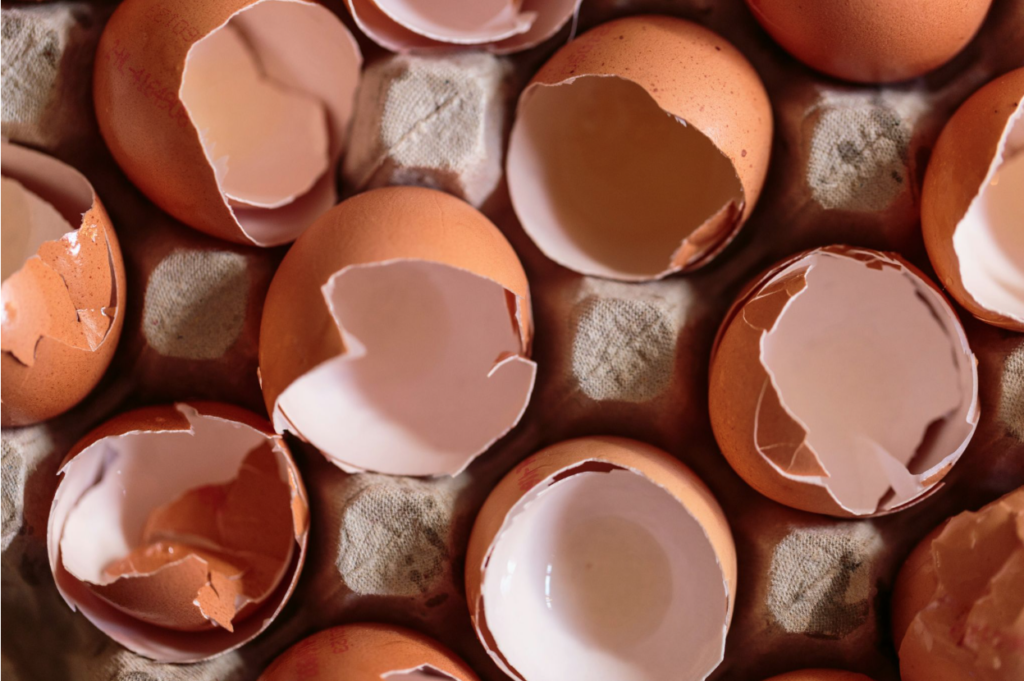
Rather than sharpening anything, they create gritty sludge that settles in the P-trap, especially when combined with mineral deposits.
Overloading is common as well. Many homes in Southern Nevada were built with smaller builder-grade units. Feeding too much waste at once, especially without sufficient running water, can cause overheating and internal strain.
Potential Fix #1: Reset the Disposal Motor
The simplest fix often solves the problem immediately.
First, make sure the unit is completely powered off. Turn off the wall switch and unplug it if possible. Underneath the disposal motor housing, you will find a small red reset button. This is the internal circuit breaker that trips when the motor overheats.
If the button has popped out, wait a few minutes to allow the motor to cool, then press it firmly until it clicks back into place. Restore power and briefly run the disposal with cold water flowing.
If the disposal runs normally again, the problem was likely a temporary overload. Adjusting how much waste you feed into the unit can prevent repeat overheating. If it still hums but doesn’t spin, the issue is mechanical and requires manual freeing. That’s when you may want to reach out to the pros.
Potential Fix #2: Free the Flywheel with an Allen Wrench
Most disposals include a hex slot at the bottom of the motor housing. This allows you to manually turn the flywheel and loosen a jam.
After confirming the power is off, insert a 1/4-inch Allen wrench into the bottom slot. Move it back and forth gently. You will likely feel resistance at first. Continue alternating directions until the flywheel rotates freely.
Once it moves smoothly, shine a flashlight into the chamber from above and remove any visible debris using tongs or pliers. Restore power and test the disposal with cold water.
If the flywheel refuses to move at all, makes loud grinding sounds, or you notice water leaking from the bottom housing, stop immediately. Those signs indicate internal damage that requires professional repair or replacement.
Potential Fix #3: Check for a Drain Line or P-Trap Clog
Sometimes the disposal works perfectly, but water will not drain. In that case, the issue is likely in the drain line rather than the disposal itself.
If the unit spins normally but the sink fills with water or makes gurgling sounds, place a bucket under the sink and remove the P-trap. Clear out any accumulated sludge and reinstall it securely.
If drainage problems return quickly, affect multiple fixtures, or are accompanied by sewer odors, the blockage may be deeper in the plumbing system and require professional equipment.
What Not to Do
Some common “quick fixes” cause more harm than good.
Never use chemical drain cleaners in a disposal. Harsh chemicals damage seals and accelerate corrosion, especially in hard-water environments.
Avoid inserting metal utensils into the grinding chamber, and do not repeatedly press the reset button in the hope that the problem will resolve itself (as tempting as it may be).
If resetting does not work after one or two attempts, there is likely a physical obstruction.
Las Vegas Hard Water
Las Vegas consistently ranks among the hardest municipal water supplies in the country. Mineral buildup forms inside grinding chambers, coats motor components, and weakens rubber seals. If you notice white crust around the drain opening or increasing jam frequency, hard water may be accelerating wear on the unit.
Over time, that added stress often makes replacement more practical than repeated repairs.
Repair or Replace?
If the unit is less than 5 years old and the jam is caused by a simple blockage, repair usually makes sense. However, if the disposal is eight to ten years old, frequently overheats, leaks from the bottom housing, or jams repeatedly despite proper use, replacement may be more cost-effective.
In Las Vegas, minor repairs typically cost between $150 and $300. Professional installation of a new, higher-horsepower unit generally ranges from $300 to $600. Given the strain caused by hard water, upgrading to a stronger unit can prevent recurring issues.
We can walk you through your options so that you can find what’s right for your needs.
Preventing Future Jams
Running cold water before, during, and after grinding helps solidify grease so it can be chopped and flushed rather than sticking to pipes.
Gradually feeding food waste instead of all at once reduces strain on the motor.
Avoid sending grease, fibrous vegetables, coffee grounds, rice, pasta, or bones down the disposal.
Grinding ice occasionally can help knock the buildup off internal surfaces.
That all being said, remember that it may jam despite your best efforts.
When to Call a Professional
If you notice a burning smell, persistent breaker trips, loud metallic grinding, water leaking from the bottom of the unit, or a disposal that does not respond at all, it is time to call a plumber. Forcing a failing unit can lead to electrical hazards or water damage inside the cabinet.
Most disposal jams are minor and can be resolved with a reset or a quick manual adjustment. But when troubleshooting does not solve the issue, professional service prevents a minor kitchen inconvenience from becoming a costly plumbing problem.
If you need garbage disposal repair in Las Vegas, AirProMaster offers same-day service and honest guidance on whether repair or replacement makes more sense. Call us or schedule online at your convenience for fast kitchen plumbing support.