
Water damage is one of the most expensive home emergencies you can endure here in Southern Nevada.
The average claim in Las Vegas approaches $14,000, and larger losses can easily exceed that number once flooring, drywall, cabinets, and remediation are involved.
In many cases, that damage could have been significantly reduced, or even avoided, had the water supply been shut off immediately.
Desert plumbing systems face unique stressors. Hard water, high municipal pressure, and extreme temperature swings accelerate wear on valves and fittings.
Knowing where your main shut-off valve is and how to operate it safely is more helpful. Indeed, it’s practically essential.
Why This Is More Critical in Las Vegas Than in Most Cities
Plumbing systems in Southern Nevada operate under conditions that shorten their lifespans compared to those in moderate climates.
First, Las Vegas water is extremely hard. With 16 to 18 grains per gallon of dissolved minerals — primarily calcium and magnesium — scale buildup occurs frequently. These minerals accumulate inside pipes, around valve stems, and within moving component.
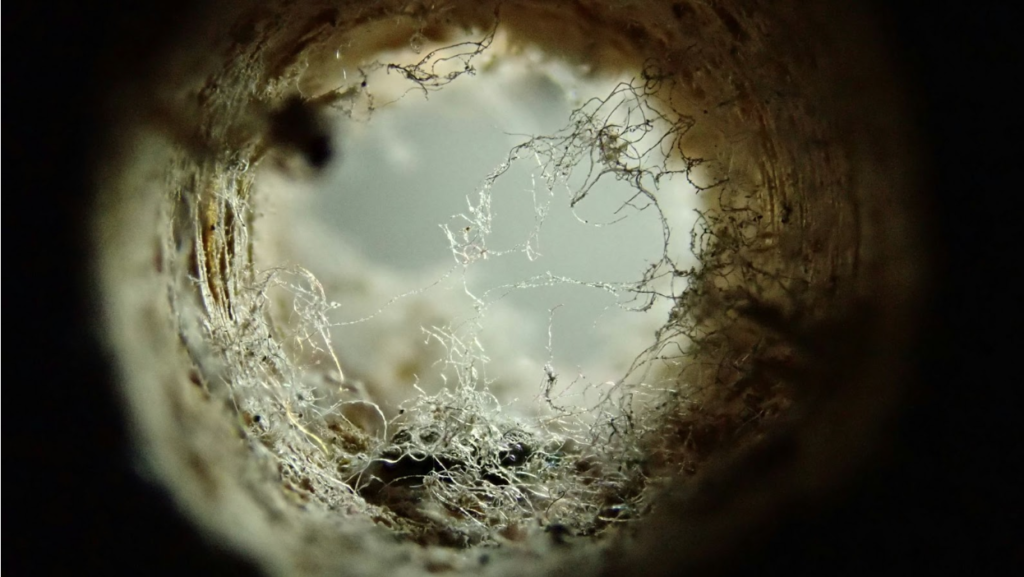
Over time, they stiffen seals, corrode fittings, and reduce flexibility in valve mechanisms. A shut-off valve that might last 20 years in softer water environments may begin failing in half that time.
Second, desert air accelerates material degradation. Relative humidity frequently drops below 15 percent. Rubber washers, gaskets, and internal seals dry out and crack more quickly than they would in coastal or temperate regions. This affects not only fixtures but also the packing material inside shut-off valves.
Third, Las Vegas experiences significant daily temperature variation. During summer months, exposed piping can exceed 110°F during the day and cool substantially overnight. This repeated expansion and contraction stresses joints and threaded connections. Over years of thermal cycling, connections weaken and become more prone to failure.
Finally, water pressure in some Las Vegas neighborhoods exceeds 100 PSI. Most homes rely on pressure-reducing valves (PRVs) to regulate incoming pressure to safe levels. When PRVs fail — typically after 8 to 12 years — the excess pressure stresses every connection in the home, including the main shut-off valve itself.
These combined factors mean that plumbing failures in Las Vegas are not uncommon. When they happen, response time matters.
How Las Vegas Water Problems Can Occur
A pipe behind your washing machine bursts without warning. Your water heater fails overnight. A slab leak develops beneath your foundation and begins spreading under your flooring before you ever see visible signs.
In each of these situations, water moves fast. It can move especially quickly in single-story Las Vegas homes built on slab foundations. In those, leaks travel horizontally beneath tile, laminate, or carpet before surfacing.
In many homes, the first reaction is panic. People start opening cabinets, running to the garage, stepping outside to the meter box, or calling neighbors for help. Meanwhile, water continues flowing into the house.
By the time the main shut-off valve is found, hundreds of gallons may already be inside the structure.
We don’t write this to scare you. Rather, it’s to show you what can happen, and why you should reach out to the pros.
What Is the Main Water Shut-Off Valve?
The main shut-off valve controls all water entering your home from the municipal supply line. It differs from the small shut-off valves under sinks or behind toilets, which control only individual fixtures. When the main valve is closed, water flow to the entire house stops.
During a burst pipe, failed appliance line, or slab leak, this valve is the only immediate way to prevent ongoing flooding. It is the most important emergency plumbing control in your home.
Many homeowners assume they can find it quickly if needed. In reality, locating it under stress is much harder than expected.
Where to Find the Main Shut-Off in Las Vegas Homes
The location varies depending on the property’s age and layout. For example, in most newer homes built after the 1990s, the main shut-off valve is located in the garage. It is usually on the front wall near where the main supply line enters the structure. Often, it is positioned close to the water heater, the pressure regulator, or a water softener loop.
In older homes, the valve may be mounted on an exterior wall. These are often near a hose bib or inside a recessed pipe box. Outdoor placement exposes valves to temperature fluctuations and mineral buildup, which can make them more difficult to operate after years of inactivity.
Every home also has a water meter box near the sidewalk or curb. Inside that box are two valves. One belongs to the city and must not be tampered with. The other is on the customer side and can be used in emergencies if the home’s primary shut-off cannot be accessed or operated.
In townhomes, condominiums, and some newer single-family homes, the shut-off may be located in a utility closet near the water heater or laundry area.
Identifying the Correct Valve
Las Vegas homes typically contain either a ball valve or a gate valve.
A ball valve has a straight-handled lever. When the handle is parallel to the pipe, the valve is open. When turned perpendicular, it is closed. Ball valves are more reliable and less prone to mineral seizure.
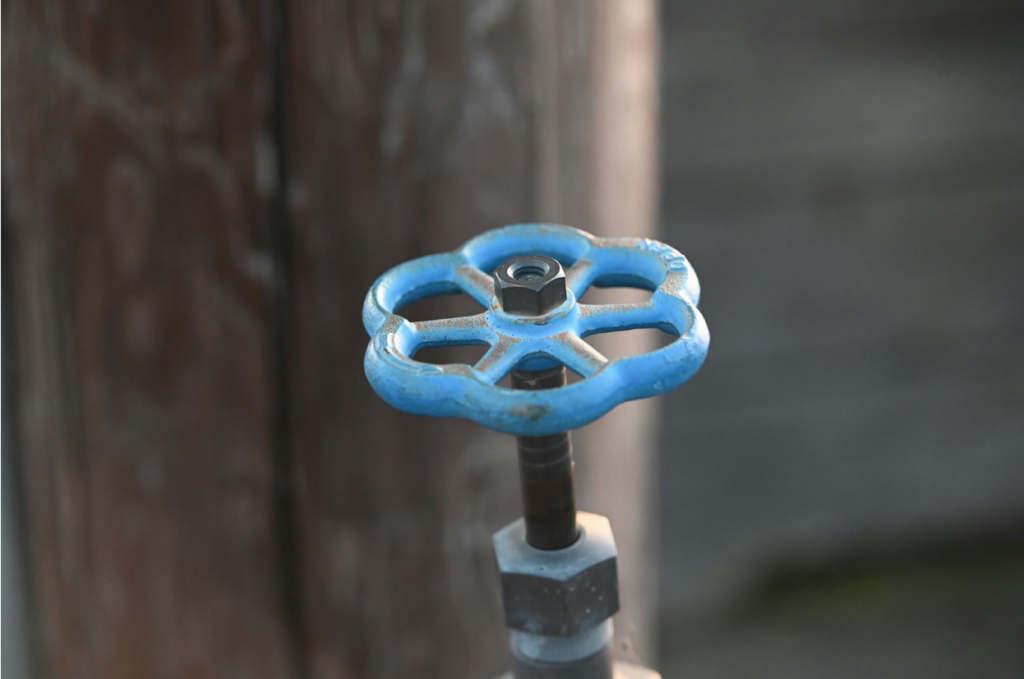
A gate valve has a round, wheel-style handle and requires multiple turns clockwise to close. These older designs are more susceptible to sticking due to mineral buildup.
The main valve is usually installed on the largest supply pipe entering the home, often ¾-inch or 1-inch copper or PEX. To confirm you have found the correct valve, briefly turning it off should stop water flow throughout the house.
If the valve resists moderate pressure, do not force it. Hard water deposits can lock internal components in place. Forcing a stuck valve may break the stem and create a leak at the worst possible moment.
How to Shut Off Water Safely During an Emergency
If a leak occurs, act quickly and carefully.
Locate the valve and turn it slowly to the closed position. Ball valves require a quarter turn. Gate valves require multiple clockwise turns until fully closed. Closing too abruptly can cause pressure shock inside aging pipes.
After shutting off the valve, open both the highest and lowest faucets in the home. This relieves remaining pressure and drains residual water from the system.
If the water will remain off for an extended period, electric water heaters should be turned off at the breaker. Gas heaters should be switched to pilot mode. Running a heater without water can cause serious internal damage.
Common Problems With Shut-Off Valves in Las Vegas
Hard water mineral buildup often causes valves to seize after years of inactivity. Homeowners who have never tested their valve may discover during an emergency that it will not turn.
In some cases, turning an older valve for the first time in years can disturb mineral deposits, leading to leaking around the packing nut near the handle.
Pressure regulator failure can also increase strain on the valve. When excess municipal pressure enters the system, internal components wear more quickly.
Underground meter boxes can become filled with debris, soil, or landscaping material. This can make access difficult during urgent situations.
What If the Valve Won’t Operate?
If the interior shut-off valve cannot be turned, the customer-side valve inside the meter box can be used. A meter key tool is typically required.
However, meter valves are also vulnerable to corrosion. Improper handling can break components, leading to additional complications.
If neither valve functions properly, emergency plumbing service should be called immediately while interior damage is contained as best as possible.
When to Replace or Upgrade the Main Valve
Signs that a replacement may be necessary include visible corrosion, difficulty turning the handle, leakage when in use, or repeated sticking.
Upgrading from an older gate valve to a modern quarter-turn ball valve can significantly improve reliability. In emergency situations, a quick quarter-turn operation is much easier than multiple rotations of a stiff wheel handle.
Many homeowners also install smart automatic shut-off systems. These devices continuously monitor water flow and can automatically close the valve when abnormal flow patterns indicate a burst pipe or a major leak. Some insurance providers offer premium discounts for homes equipped with automatic shut-off systems.
The Cost of Not Paying Attention to Water Damage
Water damage restoration in Las Vegas averages nearly $20 per square foot. Even clean water from a supply line can require removal of flooring, baseboards, drywall, and insulation. Mold growth can begin within 24 to 48 hours if moisture remains trapped behind walls.
A delay of just minutes can dramatically increase repair costs.
Most insurance deductibles range from $1,000 to $2,500. A quick shut-off response can prevent damage from exceeding those thresholds.
Find It Before You Need It
In Southern Nevada, knowing where your main water shut-off valve is is not optional. Hard water, high pressure, and temperature extremes create an elevated risk for plumbing failures.
Being able to shut off your home’s water supply within seconds can prevent catastrophic damage and thousands of dollars in repairs.
Take the time today to locate your valve. Test it carefully. Ensure every adult in the household knows where it is and how it works.
If you are unsure about the condition of your valve, AirProMaster can inspect, test, and replace aging shut-off valves. We also install modern ball valves and smart shut-off systems to protect Las Vegas homes year-round.
For same-day plumbing service in Las Vegas, call us or schedule online at your convenience.